


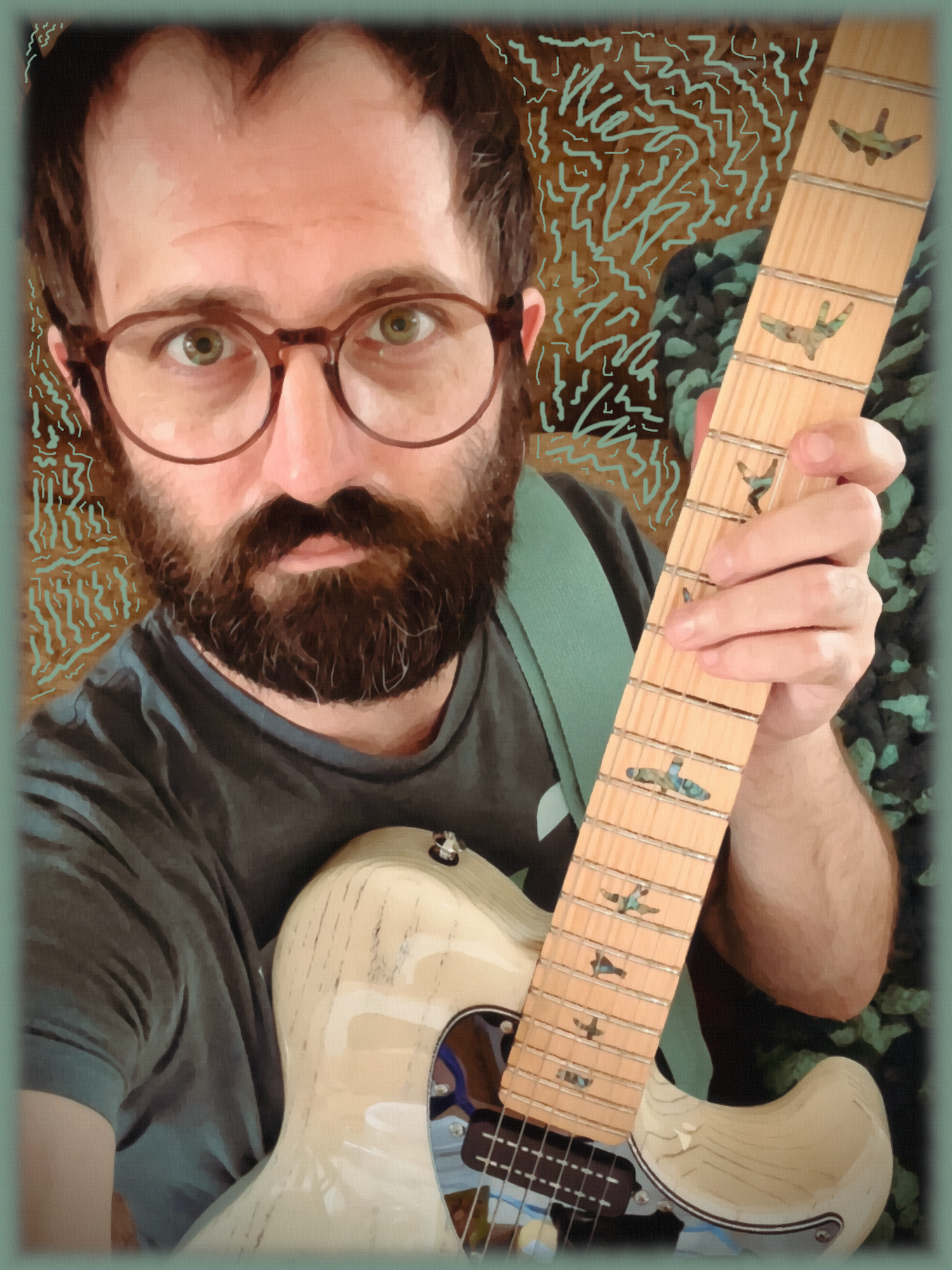
Noah James Mass approaches alternative rock as both a songwriter and a sonic architect, building songs where distortion, groove and atmosphere can carry as much emotional weight as the words themselves. On “Misery Minter,” that approach comes into sharp focus. What begins with a raw, driving guitar riff grows into a tightly constructed piece of alternative rock shaped by fuzzy textures, blues-infused energy, controlled drum dynamics and a cinematic sense of movement.
At the heart of the song is an idea that is both simple and unsettling: a person can become so emotionally cold that they no longer recognise the coldness surrounding them. Rather than presenting that idea through a stripped-back arrangement, Noah gives it physical force. His custom BilT Relevator provides the foundation, while bass, fuzz and drums gradually build the track into something restless and powerful. Yet beneath the weight of the production is a songwriting philosophy grounded in simplicity. For Noah, a song has to work before the production begins. If the core progression cannot stand on an acoustic guitar or piano, no amount of sonic decoration can rescue it.
That balance between instinct and precision runs throughout his creative process. A multi-instrumentalist working across guitar, piano, strings, organ and synths, Noah approaches arrangement as a complete musical picture, hearing how individual parts should interact rather than treating instrumentation as an opportunity for excess. His influences, including Queens of the Stone Age, The Black Keys and Arctic Monkeys, may provide reference points for tone, groove and attitude, but his own lived experiences remain the foundation of the music.
There is also a deeper purpose behind the volume. Noah’s heavy guitars and cinematic production create an outer layer of strength around songs that remain deeply vulnerable underneath. His decision not to double-track the vocals is deliberate, preserving the human imperfections and emotional exposure that sit at the centre of his work. Mental health, recovery and processing trauma are not distant themes in his music; they are part of the reason he creates.
Working independently, with full ownership of his masters and publishing, Noah has built a creative process that allows him to follow ideas without outside pressure or compromise. His collaboration with Rick Carson at Make Believe Studios has further shaped that process, particularly through the development of the record’s live drum sound.
In this conversation with Spinex Music, Noah James Mass discusses the making of “Misery Minter,” his approach to songwriting and production, the relationship between heaviness and vulnerability, his cinematic instincts, creative independence, ownership and the evolving sound he hopes to build as he continues pushing alternative rock into new territory.
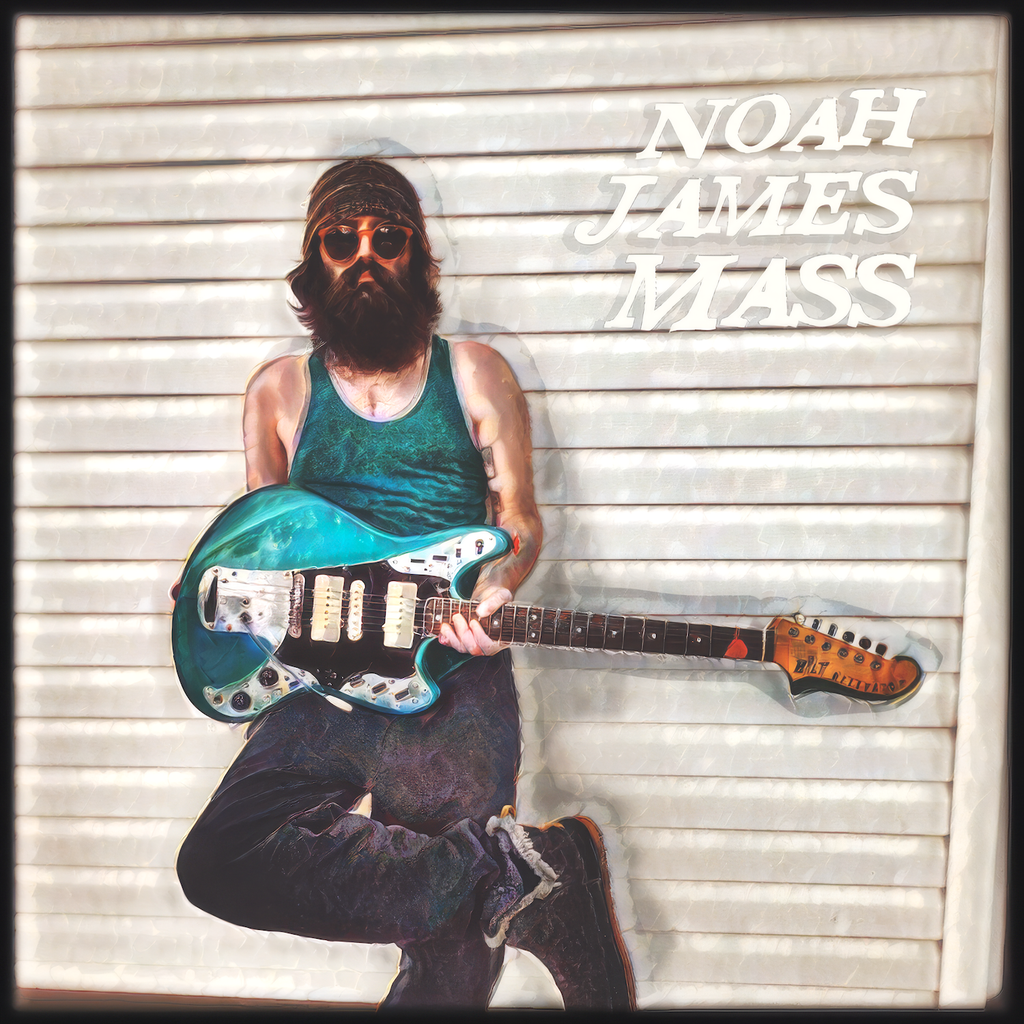
Misery Minter” combines driving alternative rock with fuzzy guitar textures, blues-infused energy and tightly controlled drum dynamics. What was the initial idea or feeling that sparked the song, and how did that first idea develop into the track we hear today?
The spark was realizing person could be so cold that they don’t even realize how cold it is around them, represented by a raw, driving riff played on my custom BilT Relevator. I wanted to capture a relentless, physical energy with fuzzy textures and blues-infused power. It started with a fundamental acoustic test: if a song doesn’t stand up on an acoustic guitar or piano first, no amount of heavy production will fix it. Once the core progression passed that test, I built the fuzz, bass, and drum dynamics around it layer by layer at Make Believe Studios.
There is a rawness to the guitar work that gives “Misery Minter” a physical, almost restless quality, while the production remains carefully constructed. How do you balance the instinctive energy of a live rock performance with the precision that comes from building a production layer by layer?
The spark was realizing person could be so cold that they don’t even realize how cold it is around them, represented by a raw, driving riff played on my custom BilT Relevator. I wanted to capture a relentless, physical energy with fuzzy textures and blues-infused power. It started with a fundamental acoustic test: if a song doesn’t stand up on an acoustic guitar or piano first, no amount of heavy production will fix it. Once the core progression passed that test, I built the fuzz, bass, and drum dynamics around it layer by layer at Make Believe Studios.
Your music draws from blues, alternative rock and more cinematic forms of production, while artists such as The Black Keys, Arctic Monkeys and Queens of the Stone Age provide useful reference points. What do you take from those influences without allowing them to define the boundaries of your own sound?
Influences like Queens of the Stone Age, The Black Keys, and Arctic Monkeys provide great sonic benchmarks for tone and groove. I pull from their use of fuzz, space, and attitude, but I anchor my sound in personal storytelling and dynamic arrangement shifts. The influences are just colors on the palette; the picture itself comes from my own lived experience.
You describe yourself as someone who builds productions from the ground up, working across guitar, piano, strings, organ and synths. How does being a multi-instrumentalist affect the way you approach songwriting, particularly when you are moving from the original idea to a fully developed arrangement?
Playing multiple instruments changes how you listen. When I write a guitar line, I’m already hearing how a bass groove needs to lock with the kick or where a subtle synth or string line can create air. Because every element serves the core story rather than showing off, multi-instrumentalism lets me build a tight, cohesive arrangement early on.
“Misery Minter” carries an introspective quality despite its muscular rock sound. How important is it for you to create space for vulnerability and reflection inside music that is otherwise driven by distortion, groove and attitude?
It’s essential. It’s why I don’t double track vocals. I want it to be human and vulnerable. Distortion and muscular rock grooves act as an armor, but the vulnerability inside gives the track its purpose. Music for me is a vehicle for mental health awareness, recovery, and processing trauma. Having quiet, reflective spaces inside heavy rock textures mirrors real life, my vibes, and navigates through noise while finding clarity underneath.
The song has a distinctly filmic quality, suggesting movement, tension and atmosphere beyond the traditional rock format. When you are producing, do you consciously imagine scenes, characters or visual moments, and how does that cinematic thinking influence your arrangements?
Absolutely. I’ve always visualised music almost cinematically—imagining movement, tension, light, and shadow. That visual impulse guides how I introduce production layers, drop out instruments, or let ambient room noise hang in the air to build scene-like atmosphere. I like to picture my tracks playing during ending credits sequences mostly.
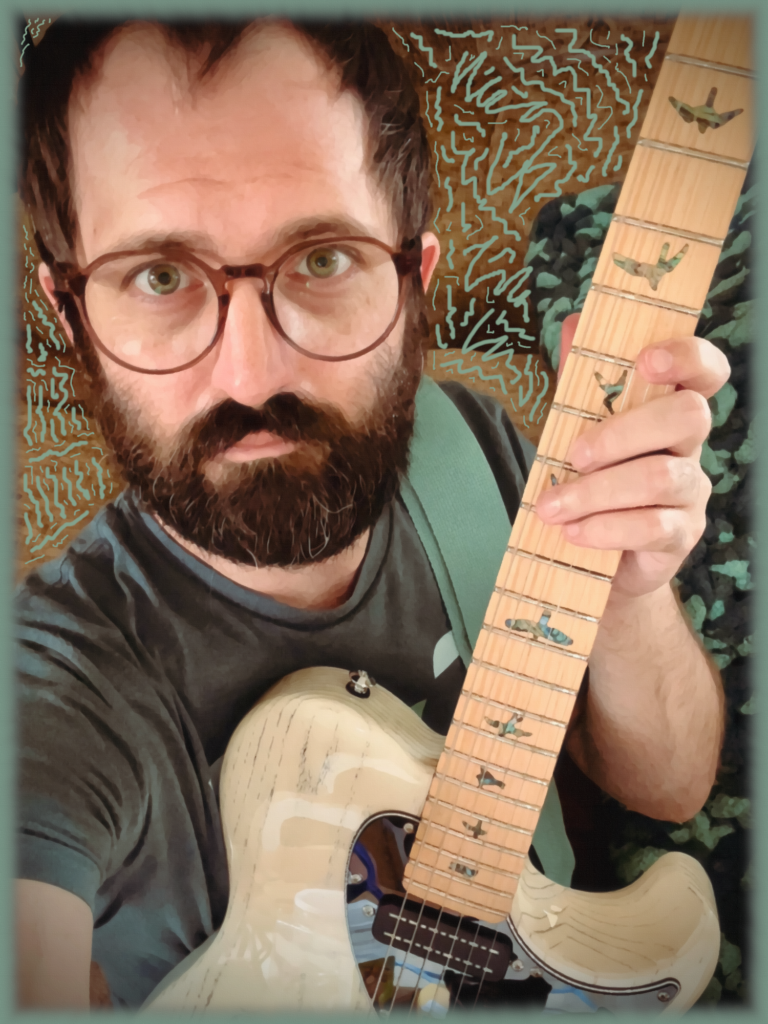
You wrote and produced the song yourself before working with Rick Carson on the mix and mastering. What did you learn from taking the production as far as you could on your own before bringing another set of experienced ears into the process?
Well, I worked at Make Believe Studios with Rick as an assistant mix engineer/audio editor/studio musician combination. So, we grew together working day in and day out. As well, Rick was pivotal in crafting the live drum sound for the record. Once drums and the initial main instrument track was laid down, I’d take over from there, completing things largely based on mood. Right now, I’m building out the next recording using programmed drums as a placeholder. Once I have most everything down and edited then I plan on doing live drums and bass guitar last.
There is something increasingly uncommon about an artist controlling so much of the creative process independently, from songwriting and instrumentation through production. What has independence allowed you to do creatively that might have been more difficult within a traditional label or band environment?
Total independence gives you absolute creative freedom and complete authenticity. I can take as much time as necessary to get the tones right, process personal narratives, and release music completely on my own terms without corporate deadlines or creative compromise. The results are a deep and detailed amalgamation of my specific music and production tastes.
As an independent artist with both your master and publishing rights fully controlled, how important is ownership to the larger career you are building, and what have you learned about the business side of music while developing your work on your own terms?
Owning 100% of my master and publishing rights is vital. Keeping total ownership as an independent artist ensures I control how my art is used and how my career is built over the long haul. It’s taught me that understanding the business side is just as critical as dialing in a guitar tone.
“Misery Minter” represents another step in defining Noah James Mass as an artist. Looking ahead, what do you want to push further in your sound, and what would you like listeners to understand about your artistic identity that they may not hear from a single song alone?
I want to keep pushing the boundaries between heavy alternative rock and cinematic, orchestral arrangements. Beyond any single track, I want listeners to recognize my broader artistic identity: a commitment to creative authenticity, raw sonic textures, and open conversations around mental health.
CONNECT
FACEBOOK | X | SPOTIFY | SOUNDCLOUD | WEBSITE | YOUTUBE | INSTAGRAM | TIDAL
