






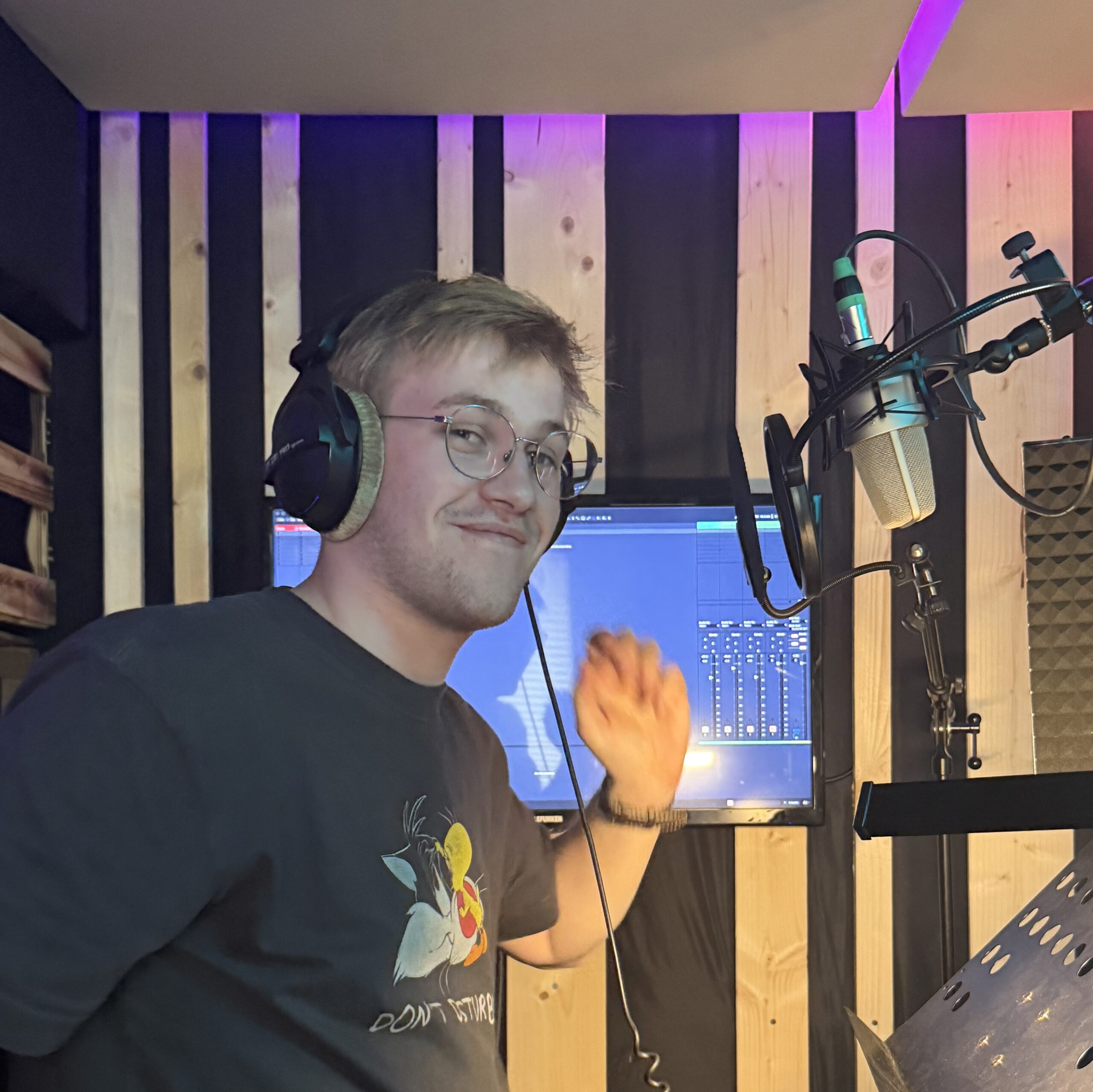
Sometimes the most meaningful songs come from moments when the future is still uncertain. For QUINTESSE, “On My Way” began with a deeply personal story about Victoria, whose years of setbacks never stopped her from pursuing an important goal. What started as a song written specifically for her gradually became something much bigger, speaking to anyone who has ever been doubted, underestimated, or made to question whether they should keep going.
There is a quiet strength running through the song. Rather than presenting success as something that happens overnight, QUINTESSE captures the uncertainty, frustration and determination that often come before reaching a goal. The message is simple but powerful: sometimes moving forward is an achievement in itself, even when you have no idea where the road will eventually lead.
The story behind “On My Way” is also closely tied to family. QUINTESSE created the song with her son, KARL JOSEF, whose baritone vocals give the track another layer of character. Their musical relationship brings together QUINTESSE’s experience with the saxophone and KARL JOSEF’s developing relationship with guitar, creating an instrumental connection that is personal to them as a family.
For KARL JOSEF, the song also represents an important first step into professional recording. While pursuing engineering studies and considering a more conventional career path, he is allowing music to remain a meaningful part of his life without feeling pressured to turn it into his only path. That balance gives the project an interesting sense of freedom.
QUINTESSE is not rushing to define exactly what the project should become. Instead, “On My Way” feels like the beginning of a musical journey that is still discovering its identity. With its message of perseverance, family connection and creative exploration, the song leaves room for both the artist and listener to keep moving forward.
In this conversation, QUINTESSE and KARL JOSEF discuss the personal story behind “On My Way,” the inspiration behind its message, their mother-and-son creative relationship, the experience of recording together, balancing music with education, and what the future may hold for QUINTESSE.

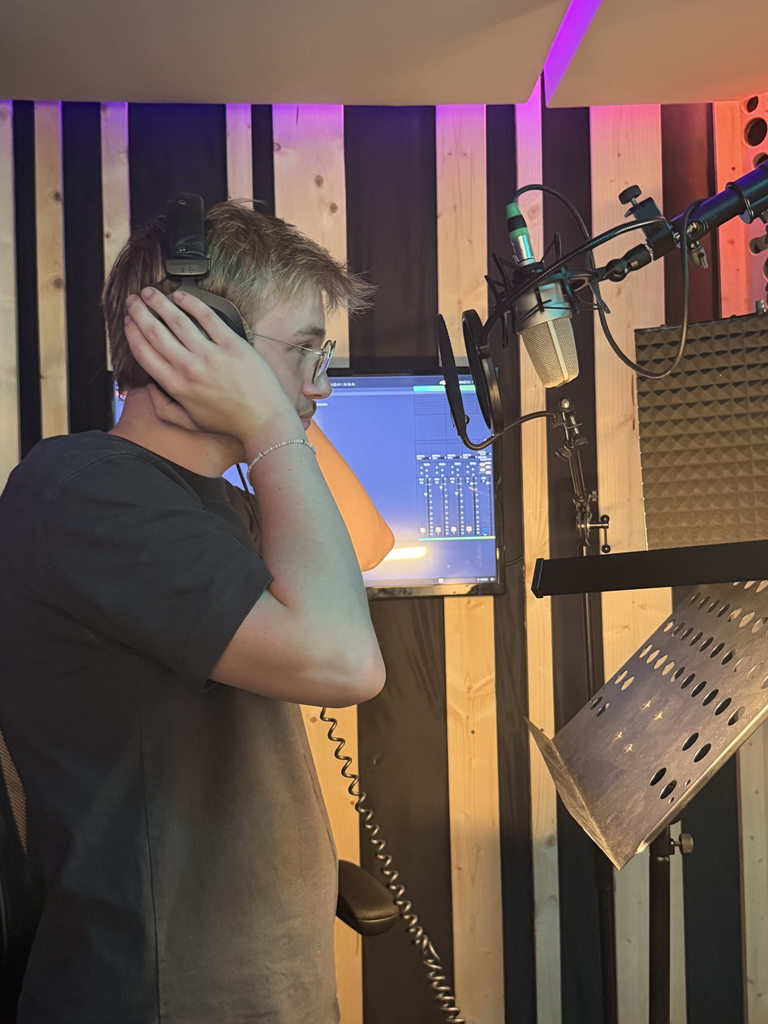
“On My Way” began as a deeply personal song written for Victoria as she worked through years of setbacks toward an important milestone, but has since grown into something much more universal. When you first wrote the song, what did you see in Victoria’s journey that made you feel it needed to become a song, and at what point did you realise that her story could also speak to people who have been doubted or underestimated in their own lives?
What I saw in Victoria above all was that, despite many setbacks, she kept going. There were periods when many things were difficult at the same time, and yet she never lost sight of her goal. That determination to keep moving forward, even when others might already have said that enough was enough or that she should choose a different path, became the starting point for the song.
While I was writing it, I realised quite quickly that this feeling did not belong only to her story. Almost everyone knows situations in which they are underestimated, in which other people do not believe they can achieve something, or in which they begin to doubt themselves. So what began as a very personal song for my daughter gradually became a song that I hope other people can see themselves in as well.
The song moves from intimate restraint into a much more uplifting and powerful emotional space. How did you translate the psychological journey from uncertainty to confidence into the structure and arrangement of the song, and were there particular moments where you deliberately held back musically because you knew the emotional release would be stronger if it had somewhere to go?
I wanted the development to happen gradually rather than all at once. The song begins deliberately restrained because the uncertainty at the start needs space. At that point, the instrumentation was not meant to reveal everything too early, but rather to support the emotion and leave room for it to grow.
As the song progresses, more elements are allowed to come in and the tension builds. It was important to me that the stronger moments did not simply become louder, but that they felt earned. That is exactly why I consciously held back in certain places. If you open everything up too early, there is nowhere left for the song to go.
The emotional movement was meant to reflect the message of the song itself: first doubt, then growing clarity, and finally the feeling of truly moving forward. The guitar and saxophone support that development and give the song its own character.
Felix, your baritone voice is central to the identity of “On My Way,” yet the production deliberately prioritises authenticity over vocal perfection. What did you discover about your own voice during the recording process, particularly when you were asked to communicate emotions that may have been unfamiliar or difficult to express through singing?
It was nice to hear how my voice sounds when it‘s produced in a more professional way than ever before. Also I hadn’t really had a problem with the notes I had to sing and interestingly I wasn’t particularly asked to sing the song a specific way, instead I had the freedom to sing however I felt was right and I think that’s what gave the song its unique touch.

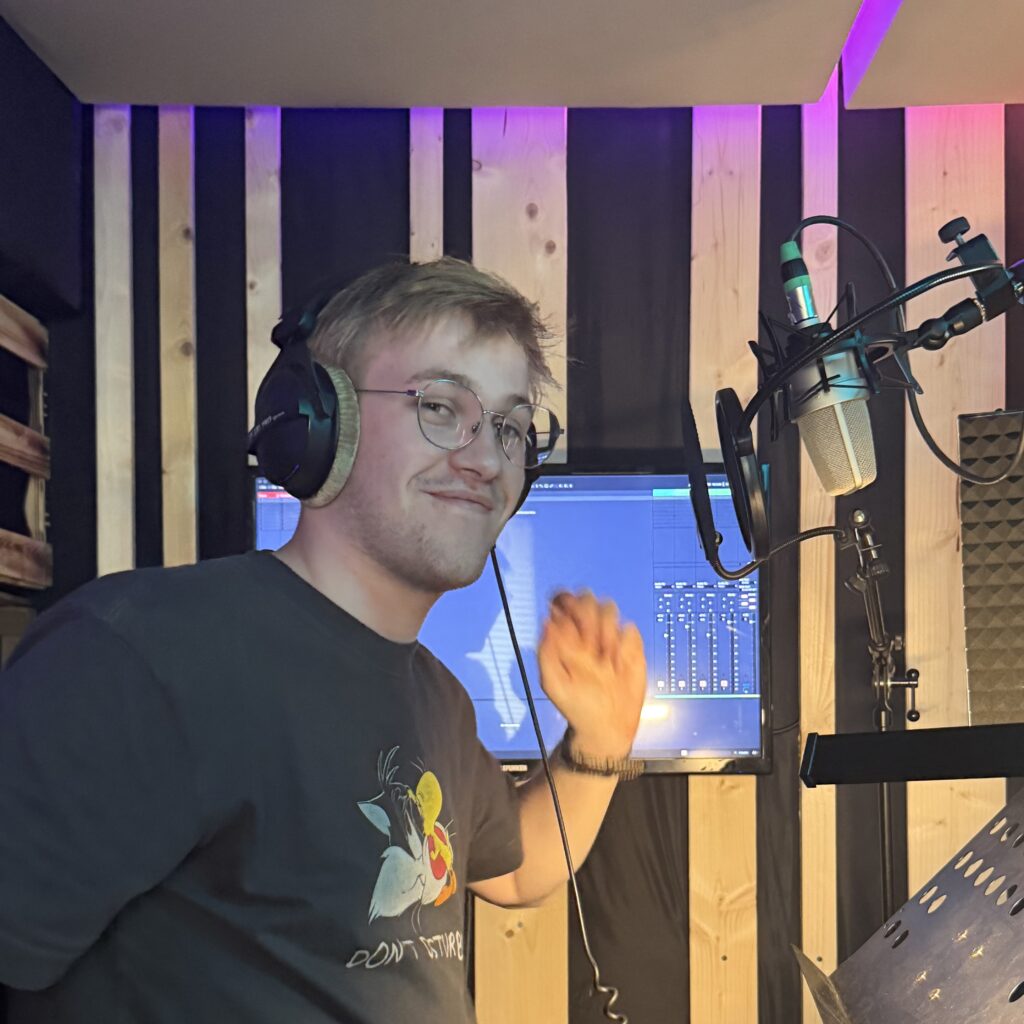
The song draws inspiration from artists such as James Capaldi, Tom Walker and Passenger, but its combination of guitar and saxophone gives it a distinctive character of its own. What were you trying to achieve through that instrumental relationship, and how do your individual backgrounds with those instruments influence the musical language you are developing together?
I don’t really think the experience changed much about the way I see myself as vocalist, but it was a really cool experience and it was nice to sing with professional equipment and, at the same time, receive direct feedback from a person who has already worked with singers before. That made the whole recording process feel a lot different from singing at home or for fun.
The guitar and the saxophone stand metaphorically for me and my Mom, and I think those two instruments worked really well together in the song. We tried to implement something into the song that makes it recognisable for my sister that it‘s from my mom and me, because my mom learned saxophone when she was younger and I am learning to play electric guitar. We will see if we keep that dynamic in future songs.
Your first professional studio recording at Neptune Studio revealed a natural ability to translate a complex emotional narrative despite your relative lack of professional recording experience. Did anything about that first experience change the way you understood yourself as a vocalist, and was there a moment in the studio when you realised that music might be capable of becoming more than something you simply enjoyed doing?
Our roles are generally quite clearly defined, but the way we work together also depends on the individual song. With “On my way“ I had Victoria and her story very clearly in mind, so both the musical direction and the lyrics initially came more from me. Felix still had the freedom to interpret the song in his own way when it came to the vocals.
For the next song, the process will be different. Felix will first give me a rough musical direction, I will develop the melody from that and then we will shape it together. After that, I will write the lyrics in a way that suits his voice, his vocal range and the way he naturally sings.
Our personal closeness makes many things easier because we know each other very well and can communicate openly. At the same time, we are probably more direct with each other than we would be with other musicians. But that combination of clearly defined roles and mutual input works very well for us.
QUINTESSE is built around a mother-and-son creative relationship, which can bring a very different kind of understanding into the songwriting process. How do you separate the roles of mother and son from the roles of songwriter, producer and vocalist when you are working together, and can that personal closeness sometimes make the creative process easier or more challenging?
Our roles are generally quite clearly defined, but the way we work together also depends on the individual song. With “On my way“ I had Victoria and her story very clearly in mind, so both the musical direction and the lyrics initially came more from me. Felix still had the freedom to interpret the song in his own way when it came to the vocals.
For the next song, the process will be different. Felix will first give me a rough musical direction, I will develop the melody from that and then we will shape it together. After that, I will write the lyrics in a way that suits his voice, his vocal range and the way he naturally sings.
Our personal closeness makes many things easier because we know each other very well and can communicate openly. At the same time, we are probably more direct with each other than we would be with other musicians. But that combination of clearly defined roles and mutual input works very well for us.
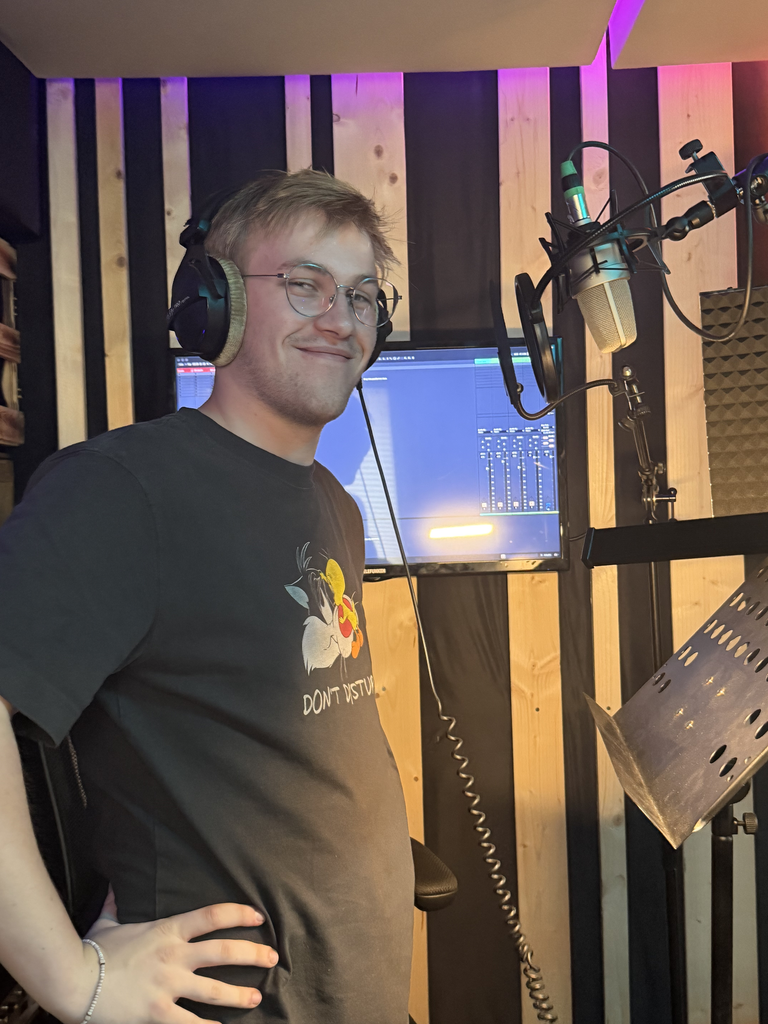
Felix, you are currently prioritising your engineering studies rather than immediately pursuing music as a conventional full-time career. How does having another serious intellectual and professional path affect the way you approach music, and do you think being outside the pressure of having to make music your livelihood gives you a different kind of creative freedom?
I really think prioritising another career path over music is somewhat a give and take. It’s nice to have something in hand that has value in the conventional job world, even though it would be cool to be a singer, I am trying to build something more secure with engineering, even though studying and university can be boring sometimes.
The idea of being “on my way” carries more meaning than simply reaching a destination. It can suggest that progress itself matters, even when the final outcome remains uncertain. What does that idea mean to you personally at this stage of your life, particularly when you are balancing education, family, creative discovery and the possibility of a future in music?
Sometimes its hard to balance everything in life and I think that progression oftentimes can be a goal itself as you stated. For myself being in between career paths is part of my way and I don’t really know what comes next so I am going to enjoy the not really guaranteed moments I have in the studio and in general because I am lucky to be in this position to pursue the things i do right now.
There is something quite deliberate about allowing this project to develop naturally rather than immediately trying to turn QUINTESSE feat. KARL JOSEF into a conventional pop act. Why was it important to give the project that freedom, and how do you decide which opportunities are worth pursuing while still protecting the natural relationship between Felix’s life, studies and developing artistic identity?
I generally think the song deserved the freedom to be what it’s simply because it wasn’t written as a conventional pop act in the first place. As I said before I just had the lyrics, but the way I sang it wasn’t really predetermined.
At the same time, I don’t want music to take over everything else in my life. My studies are still important to me, so I think we will decide step by step which opportunities make sense and which ones fit into my life at that moment. I like the idea of letting the project grow naturally rather than feeling like every opportunity has to be taken just because it is there.
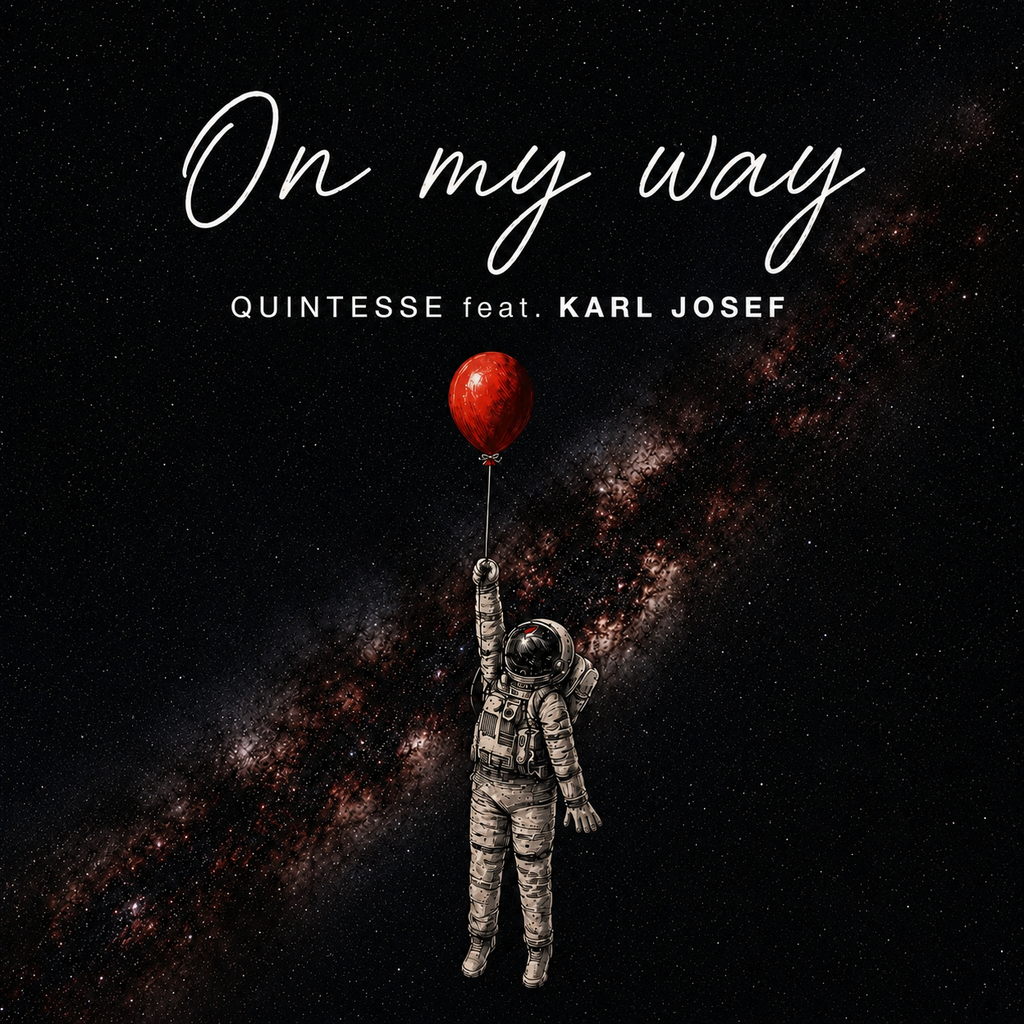
As “On My Way” moves from being a song written for one person into an anthem that can belong to anyone who has faced doubt or setbacks, what do you hope listeners ultimately take from it? And looking beyond this release, what would you like QUINTESSE feat. KARL JOSEF to discover about your shared musical identity as you continue creating together?
We hope that listeners might relate to the lyrics and that they feel inspired to do things and to hold on to their dreams and goals. If the song can give someone a little bit of motivation to keep going despite a setback or doubts, I think the song achieved everything it needs to.
Looking ahead, I think we are still finding out what our shared musical identity really is. We already know that guitar, saxophone and my voice are important parts of it, but I think the next songs will show us much more clearly what QUINTESSE feat. KARL JOSEF can become.


