

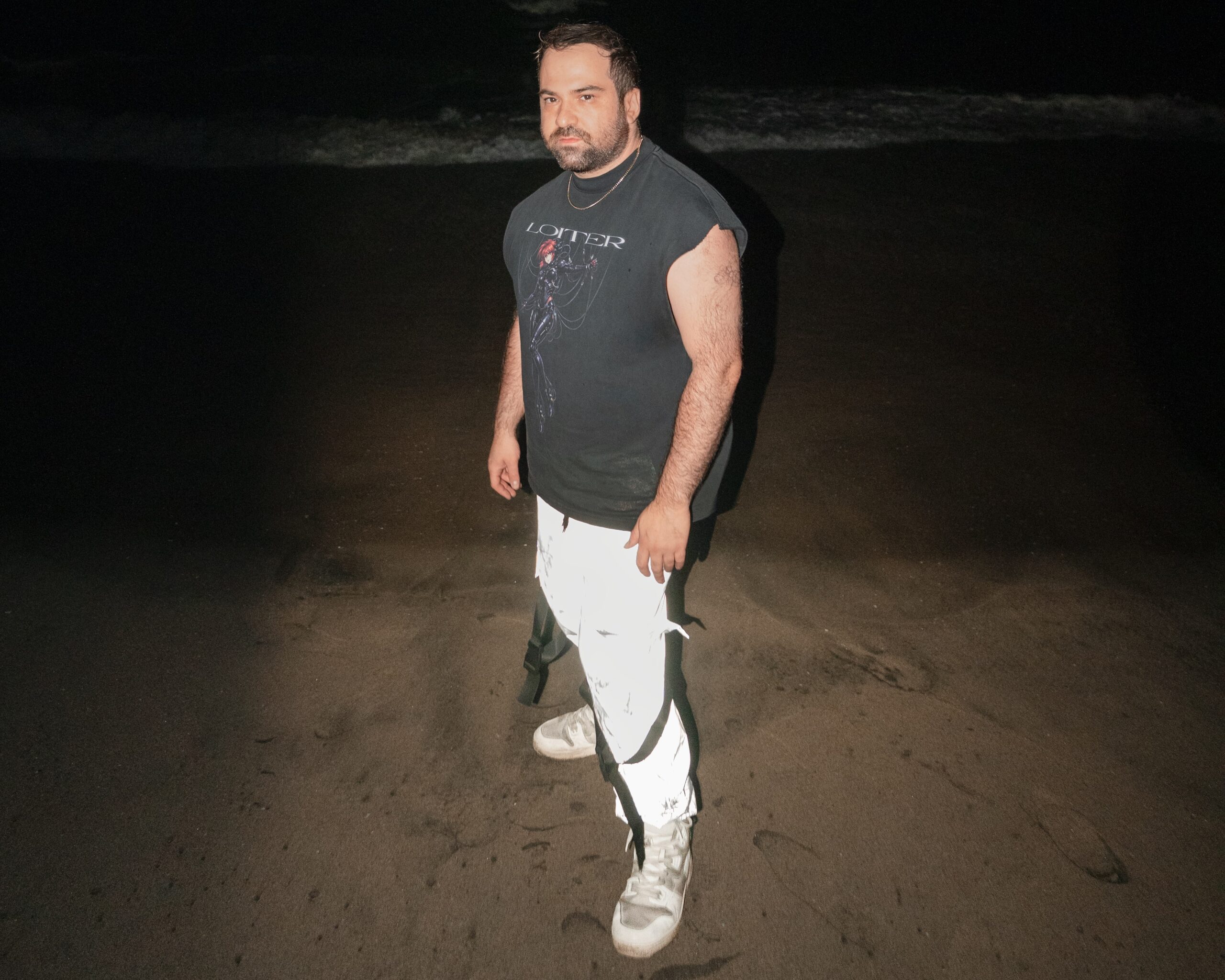
From discovering electronic music through arcade games as a child to earning more than 15 million plays and sharing the stage with some of dance music’s established names, TATE SEDAR has built his artistic journey around curiosity, experimentation and an enduring love for house music. Born in San Francisco, raised across both coasts of the United States and shaped by seven formative years in London, the electronic music producer and DJ draws from a wide range of musical influences, bringing together the melodic sensibilities of pop, the energy of electro, and the experimental possibilities of bass music. His early fascination with Daft Punk, trance and eurodance eventually developed into a distinctive sound that moves fluidly between bass, electro and progressive influences, anchored by the unmistakable heartbeat of house.
Having made his global debut at the 2020 EDC Virtual Rave-A-Thon, TATE SEDAR has continued to establish his presence through radio-supported releases, more than 15 million plays and performances alongside artists including R3hab, Don Diablo, Wolfgang Gartner and Cash Cash. His recent signing with Steve Aoki’s Dim Mak Records marks another exciting chapter, bringing his journey full circle with a breakbeat release that connects directly to the genre he first spun on his own turntables.
Beyond the milestones, however, TATE SEDAR remains driven by a desire to create music that feels authentic, memorable and unapologetically his own. With an eye on the evolving bass house movement and the next generation of electronic music, he is exploring new creative possibilities while holding firmly to his philosophy to “live and dance true.” In this conversation, he opens up about the musical discoveries that shaped him, his experiences in London’s electronic music scene, the lessons learned from sharing stages with established DJs, his relationship with commercial music, and his ambitions for the next chapter of his career.
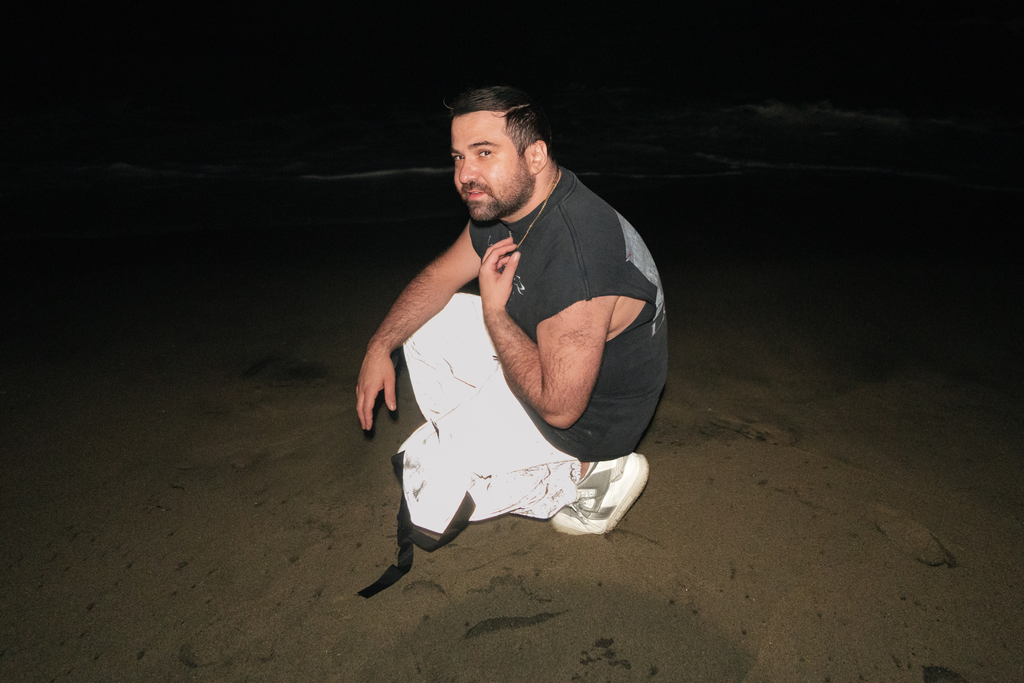
For those discovering TATE SEDAR for the first time, how did your journey into electronic music begin, and what first made you want to create music of your own?
Hi, Daniel! I was about 10 when I first got into electronic music. My family had moved to the suburbs of Maryland, and I became engrossed with Dance Dance Revolution at arcades. I didn’t realize it at the time, but a lot of what I was hearing was eurodance and trance. Soon after, I found this compilation CD called This Is Ultimate Dance, which had Daft Punk’s “One More Time” on it. That changed everything. Daft Punk sampled R&B and rock sounds I already knew, putting them into a house format with added synths and production. Those digital elements reminded me of DDR, and I gradually brought the tempo of my interests down to house.
But before all of that, I wanted to sing. I wanted to be on American Idol and be an all-encompassing entertainer like Michael Jackson. Once I learned my first instrument, I started writing melodies and composing on manuscript paper, though I didn’t study songwriting academically until college. Around the time I discovered electronic music, I also found GarageBand while visiting Apple stores, which introduced me to music production.
You were born in San Francisco, grew up on both coasts of the United States and spent seven years in London. How have these different places and cultures shaped your musical taste and creative identity?
Growing up in San Francisco, I mostly listened to what my parents played: R&B and pop. I also listened to youth-oriented pop on Radio Disney’s AM station, which probably fueled my desire to sing. By the time we moved to Maryland in the 2000s, music was becoming more digital through Napster and iTunes, and radio was more hip-hop-driven. 99.5 FM played pop, hip-hop, and alternative music, which opened me up to rock.
Once we moved to London, I spent a lot of my free time researching music on Wikipedia and LimeWire. I started to understand how time and place shaped different scenes, from Bay Area hip-hop and rock to the DMV hip-hop movement with artists like Timbaland and Missy Elliott, and the electroclash and French touch movements at the start of the new millennium.
In London, I experienced electroclash developing into electro house and the beginning of EDM’s ‘golden era’ around 2010. Electronic music from 2001 to 2011 really shaped what I made, but those seven years in London were the biggest influence.
Your sound explores the grey areas between bass, electro and progressive music. What draws you to these styles, and how do you decide where a track should sit sonically?
That’s a great question. Electro and progressive house was propelled by the ‘golden era of EDM,’ but I think there’s more to it. They’re dance subgenres that rely more on composition and energy than others.
Bass music, on the other hand, developed through electro house, dubstep, UK garage, trip-hop, and experimental hip-hop, so it’s always had an experimental side. I think of all these genres as ‘progressive’—not like progressive house, but in creativity and thinking.
If I want to lean into pop sensibilities or pop-inspired songwriting, I can explore the electro/progressive side of my music. If I want to experiment, I can explore that through bass music. And if I want to sit somewhere in the middle, bass house can be that platform. They all have their own flavors but exist in the same spectrum, I’m just anchored by a house heartbeat of 120-135 BPM.
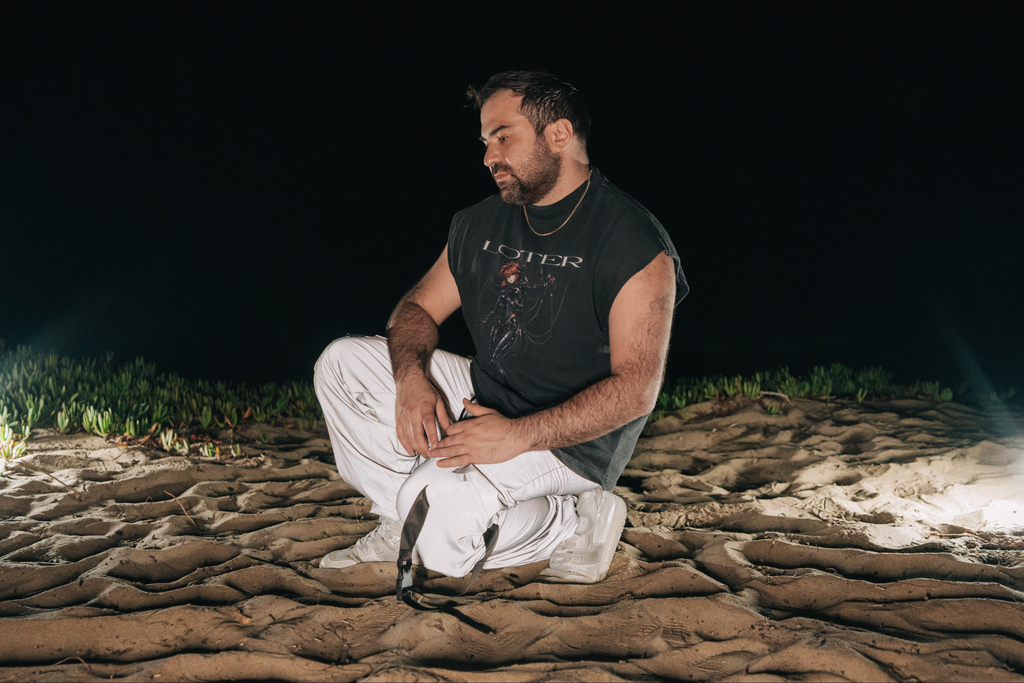
Your global debut came during the 2020 EDC Virtual Rave-A-Thon. What do you remember most about that experience, and how did it affect the direction of your career?
A lot of prep, but also a lot of winging it while recording, and a lot of editing the visuals afterward! I filmed at some friends’ place with a green screen. I put together my set as I normally would and planned to wear this dope tie-dye green hoodie—only to realize it would blend into the background! I had to borrow some clothes from a friend there.
It was hot in LA, and with the doors open, a bunch of crane flies came in that I had to swat away. I also had a cute moment with one of my friends’ dogs. Musically, a highlight was playing my mash-up Every Teardrop Is a Language.
Career-wise, it introduced me to Insomniac Events and became my first major accomplishment of credibility, helping me get heard and respected by industry peers—especially in LA, where Insomniac covers so much of the dance music market.
You have earned more than 15 million plays and received radio support for several tracks. How has that response influenced your approach to producing music while staying true to your original vision?
If I’m honest, it hasn’t really influenced my music or changed me. I grew up inspired by radio music, and making that kind of music is honestly my strength. I’m able to come up with musical concepts that are both catchy and palatable.
Your recent signing with Dim Mak marks an important step in your career. What does this opportunity mean to you, and how has it influenced your plans for the music you want to release next?
It was a real pleasure to sign with Dim Mak, mainly because I’d been listening to Steve since he started making waves in the electroclash era. I appreciated getting to know people at the label more personally, and the submission made sense.
What made it even more poetic was that the first record I signed there was a breakbeat track—the first genre I ever spun once I got my own turntables. In truth, it hasn’t really influenced the music I make, but as I incorporate more bass house into my sound, it would be a great prospective label for those tracks.
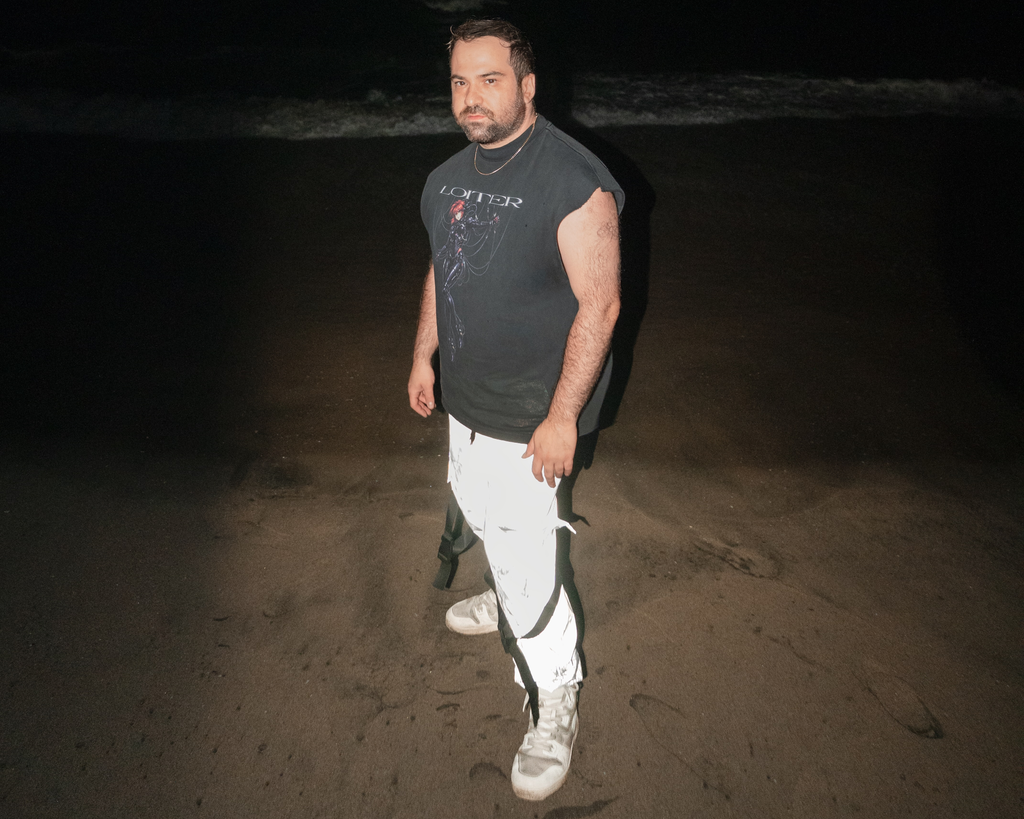
You have mixed alongside artists such as R3hab, Don Diablo, Wolfgang Gartner and Cash Cash. What have you learned from working in the same spaces as established names in electronic music?
What I’ve learned is that it takes finesse to share your art while essentially ‘warming up’ the room. At Point Blank Music School in London, a lesson from my DJing crash course was that entertainment is a service. You have to play for your audience or, as my teacher said, you’ll get ‘tomatoes thrown at you.’
I’m grateful to have played alongside these artists, but as a supporting DJ, I’ve learned not to ‘bang out’ the headliner by playing heavier music than them. There’s an unspoken respect: don’t steal the next artist’s thunder, and especially don’t play their music. You can still have big moments in your set, but bring the energy down toward the end for the next person.
Sometimes bookers and artists agree on a particular sound, but you still have to make personal choices about how to express yourself—including playing original music, even when it’s as energetic as the headliner’s. That’s something I learned over time, especially when I was supporting these artists early on without much music out.
The other factor is the ‘music business,’ not one or the other. You have to create demand through music, sell tickets, and promote shows, whether they’re underground or in clubs. There are commissions, and finding ways to sell VIP and tables helps. Ultimately, you have to value both the ‘music’ and the ‘business.’
You describe your mission as “to live and dance true.” What does that statement mean to you personally, and how does it guide the choices you make as an artist?
To live life authentically and dance with it. That pretty much applies to my music, too: making it genuinely—for me, through my anchor of house music, the godmother of electronic music—and keeping the energy of dance in it. But it’s about energy, rhythm, and groove together, not one or the other.
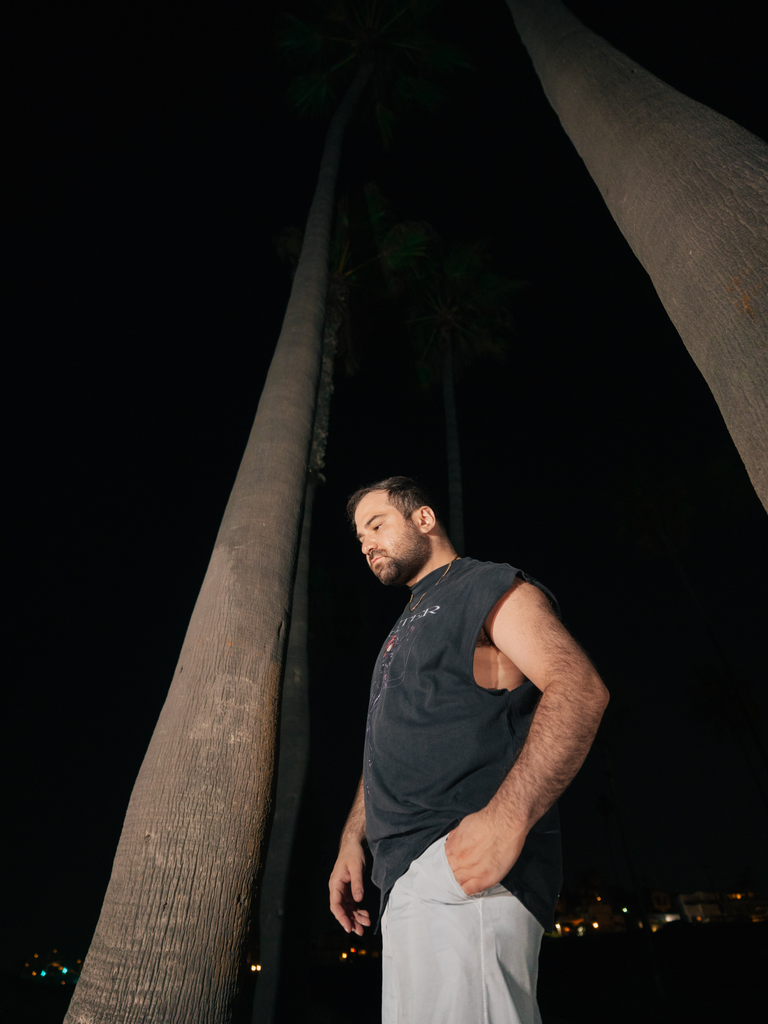
Electronic music continues to evolve as artists combine genres and experiment with new sounds. What changes in the scene excite you most, and where do you see your own sound developing within it?
It’s no secret that one of the most exciting new sounds in electronic music has been brewing out of San Diego since the late 2010s. What I call the ‘niteharts’ sound, which culminated in Knock2 and ISOxo’s EP of the same name, developed from predecessors like Cheyenne Giles, hybrid music on SoundCloud, and Sable Valley signings.
Knock2 brought electro house influences like Zedd, while ISOxo drew from dubstep artists like Skrillex. Together, they’ve inspired a generation of mostly SoundCloud-developed artists. While much of the scene shifted away from the energy of EDM’s ‘golden era’ toward tech house and easy-listening music curated for Spotify, SoundCloud artists kept experimenting with electro house, dubstep, and trap.
After the pandemic, listeners were ready to let their emotions out and dance again. Bass house, combining electro and tech house; and hybrid trap, mixing dubstep, future bass, core trap, and hip-hop; started cutting through. It took me two years to fully understand it, even though I was already playing electro house and bass house. What finally connected me to those sounds was that enduring, vivacious spirit of electro house.
I saw Knock2 and ISOxo bring their sounds together at ‘San Diego 4VER’ in 2024, after major ISOKnock shows at Coachella and San Francisco’s Bill Graham. They announced their first niteharts festival there, which Resident Advisor credited as a new model for festivals, bringing older and newer generations together. Its B2Bs with their inspirations—ISOxo with Skrillex and Knock2 with Zedd—recognized the roots of these sounds.
I’ve been exploring how electro house could progress, so I feel aligned with what they’re doing, even though I’d been working toward my own hybrid sound before some of those major scene moments. Even the callbacks to 2000s aesthetics, from DDR to the sigilism of Kingdom Hearts, which the name Niteharts seems to reference, are things I grew up with.
As I embrace more bass house in 2027, I see a chance to resonate with that crowd while hopefully growing beyond this young, fast-growing corner of dance music and into the mainstream.
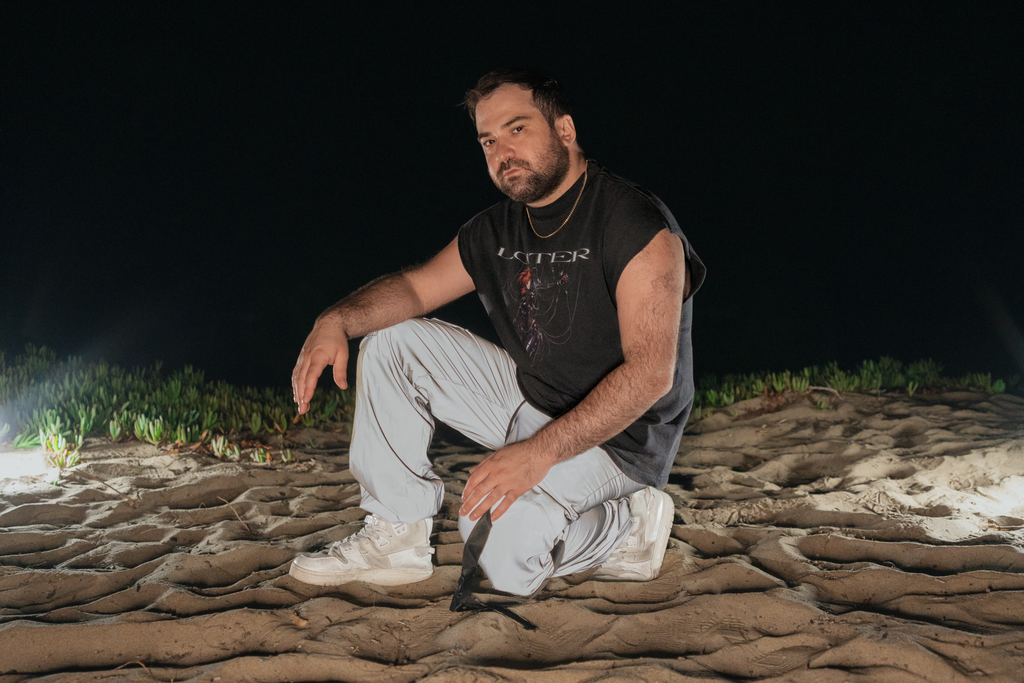
Looking ahead, what are you hoping to achieve in this next chapter of your career, and what would you most like listeners to understand about TATE SEDAR beyond the music itself?
I hope in this next chapter I can find my audience. Although I’ve built some numbers online and had some great bookings, I’m looking for my tribe.
I want listeners to know that, for me, house music is the main course, and I’m continuing to bring the signature of electro house with tasteful nodes of melody, harmony, and radio. Whether you’re a pop-lover, experimentalist, ‘golden era’ enthusiast, or a fan of newer sounds, I’m here to give you something you can hold on to, savor and remember.
CONNECT
WEBSITE | FACEBOOK | TWITTER | SPOTIFY | SOUNDCLOUD | YOUTUBE | INSTAGRAM
