


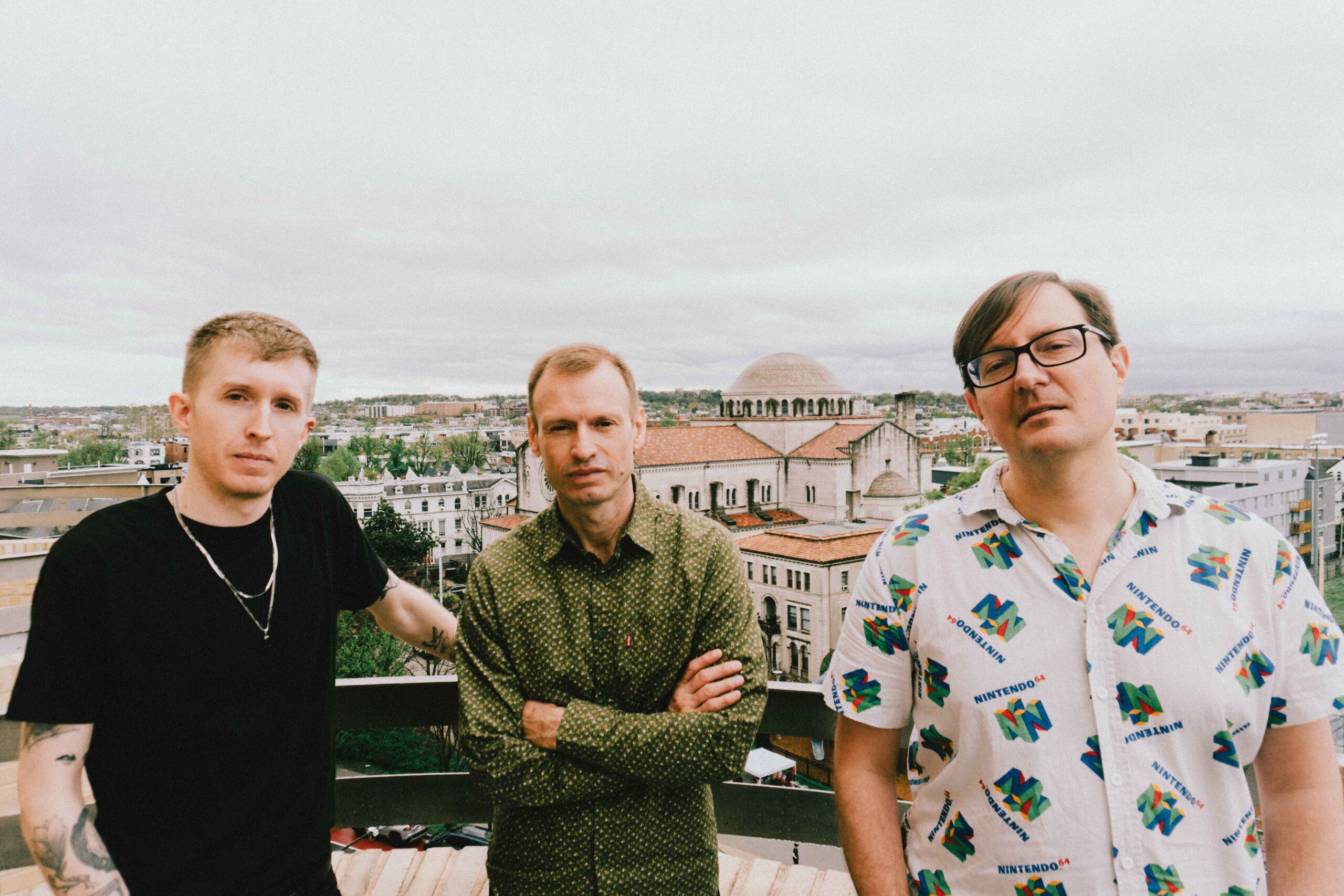
Since emerging in 2023, Burden’s Landing has quickly established itself as one of the most exciting new voices in the independent alternative scene, crafting music that refuses to be confined by genre. Blending elements of grunge, shoegaze, post-punk, indie rock, and melodic punk, the Washington, D.C.-based trio has built a reputation for creating emotionally charged songs that balance raw intensity with heartfelt vulnerability.
Their latest EP, 4 Songs, marks another significant step in the band’s evolution, showcasing a more refined artistic identity while remaining fearless in its creative ambition. From explosive anthems like “Hallucination” to deeply personal tracks such as “Runner,” the project highlights Burden’s Landing’s commitment to authenticity, emotional honesty, and organic musicianship.
In this exclusive interview with Spinex Music, the band reflects on finding its unique voice, embracing creative risks, the influence of the legendary D.C. DIY scene, and its vision for building a lasting community through music.
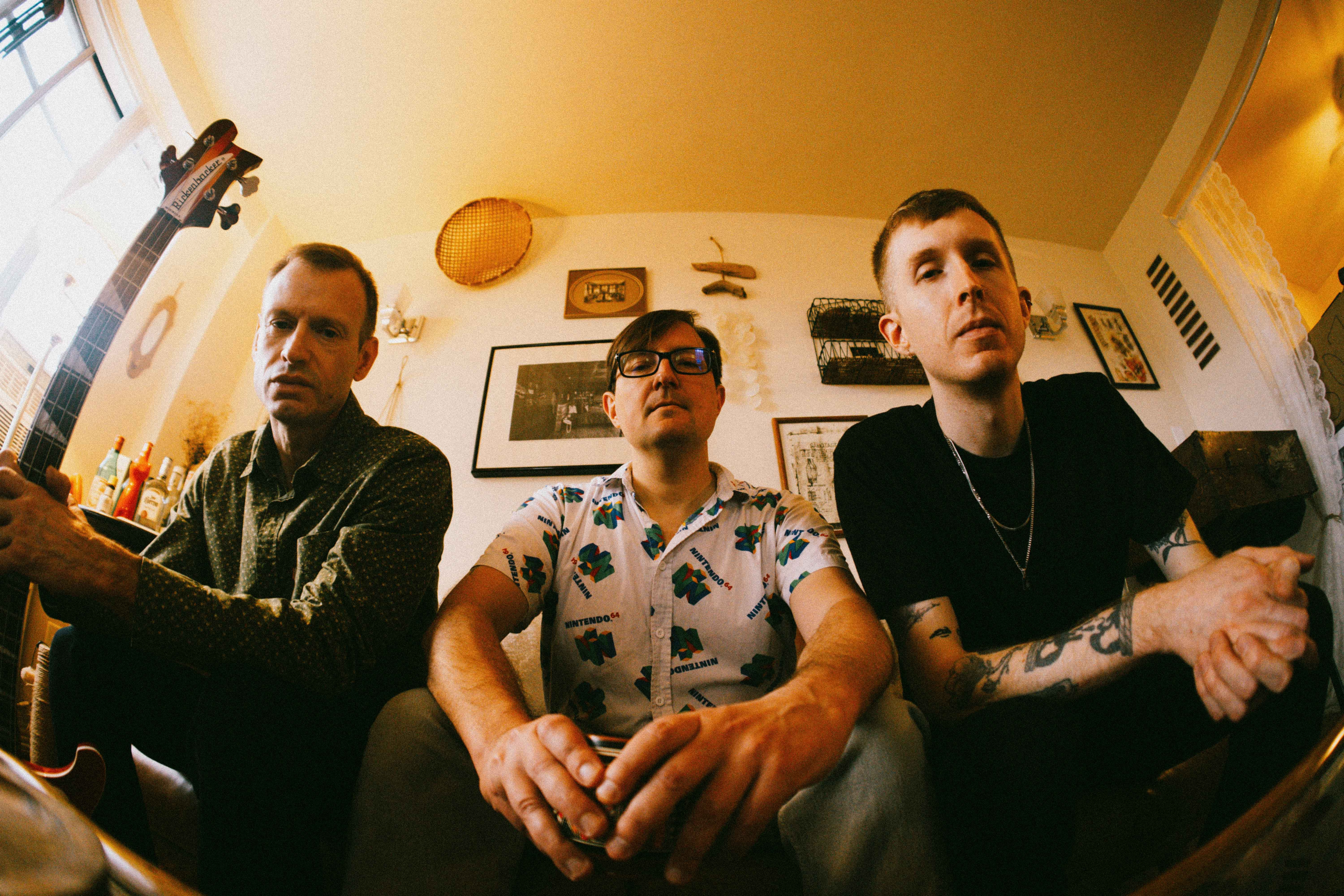
Your latest EP, *4 Songs*, has been described as your clearest artistic statement yet, balancing explosive energy with quieter moments of reflection. What does this project reveal about Burden’s Landing that listeners may not have fully understood from your previous releases?
With each release, I have wanted to explore and refine our sound. This new EP is the closest I had gotten, so far, to the original sound I was aiming for. I think we are starting to find what makes our music singular and have an individual voice. 4 Songs reveals that we continue to be unafraid to take creative risks. Our creative energy is developing in real time. Listeners are welcome to join us on this journey.
From the sprawling atmosphere of *Could This Be a Portal?* to the raw immediacy of *Live in West Philly* and now *4 Songs*, your sound has evolved remarkably in a short time. What have been the biggest creative lessons you’ve learned together as a band since forming in 2023?
Gotta stay adaptable and open-minded. It’s really easy to overthink but that just stifles any momentum you have, creatively. Each time new songs are ready, I will use whatever resources and opportunities we have to get them recorded. I want to capture the essence of a song and always be pushing myself to take them to the next level and refine my craft.
The EP moves effortlessly between grunge, shoegaze, post-punk, indie rock, and melodic punk. Rather than fitting into one genre, your music seems to embrace all of them. How do you approach songwriting without feeling restricted by labels?
I don’t want to write the same sounding song again and again. A diversity in sound is a great asset for a band. To me, it’ll get categorized later. It’s my job to simply follow whatever creative urges I am having. I am influenced by so many kinds of music, it’d feel really narrow to me if I stayed in one lane. A diversity in sound also keeps our live set very engaging too. One song can be loud, wild, in your face. The next one may be spacier, soft, and reflective. This way, the songs start to have interesting conversations with each other.
“Hallucination” stands out as a seven-minute, high-tempo journey that pushes the band’s sound into new territory. What inspired the song’s structure, and how did you keep such an intense track engaging from beginning to end?
I wrote “Hallucination” when I was very sick. Early Janurary I had the flu and contracted COVID somehow in the same month. I couldn’t really sleep and was barely eating. I figured I’ll at least write a song during one of those horrible days. I banged away at my acoustic guitar and came up with the main riff, which is what the whole song is built around. I arranged the music one of those days, slept terribly through the night, then wrote the lyrics the following morning. This was also around the time of the killing of Renée Good at the hands of ICE agents. I was sick. My country is sick. Out of this came our fastest, heaviest song.
In contrast, songs like “Her” and “Runner” reveal a more vulnerable and introspective side of the band. How important is it for Burden’s Landing to balance loud, cathartic moments with quieter emotional honesty?
To me, good music is catharsis. I put a lot of myself into the songs, making me feel very vulnerable. But it’s that vulnerability that allows people to connect. Music is a gift. I wrote Runner when my family dog passed away this Winter. I wanted to really hold space for her and others I have lost. It takes a lot, emotionally, to play that song but it’s one that a lot of people have connected with already. By having that song, I have something to turn to when I need to hold space for loved ones I can no longer be with.
Your chemistry as a trio is one of the defining qualities of your music. How has each member’s individual musical background influenced the identity of Burden’s Landing, and what makes your creative dynamic work so well together?
Christian, Jorge, and I bring a wide range of influence to the musicianship that makes the Burden’s Landing. I feel really fortunate in that, when we started jamming together, things clicked really fast. It cannot be overstated how important it is for each musician to be on the same page. We released Live in West Philly and 4 Songs within one year of playing with each other, which is really impressive. I feel like we have found a really strong creative balance, which means it’s time to write and play and record as much as we can. Make hay while the sun is shining.
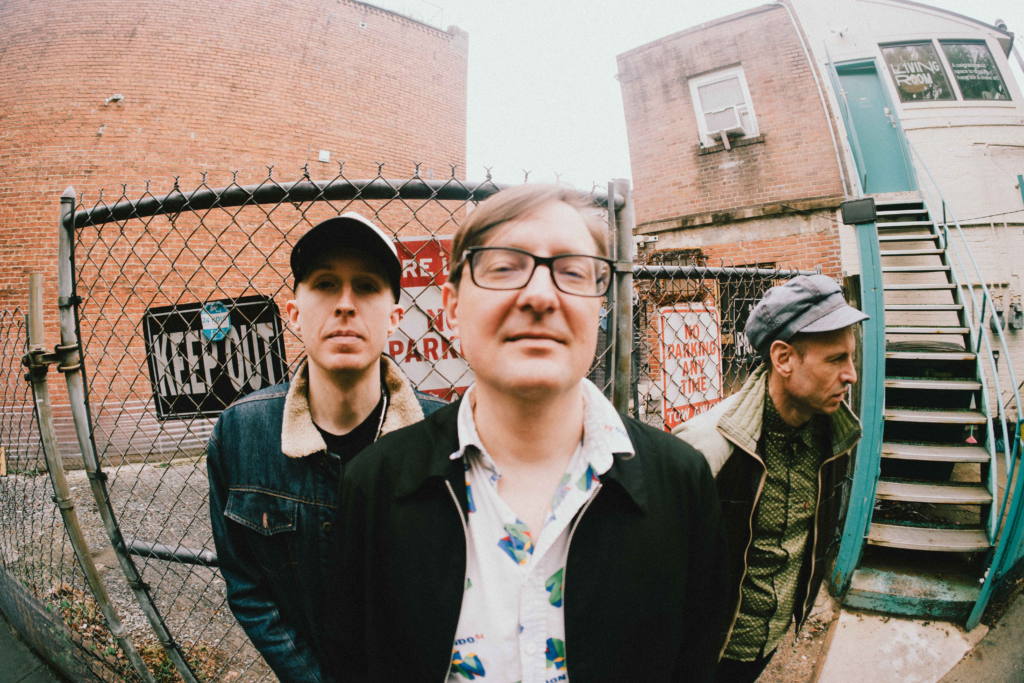
After self-recording your debut in a family home, performing extensively across the DIY circuit, and later recording live in Philadelphia, you’ve experienced music in very different environments. How have those experiences shaped both your confidence and your approach to recording?
Recording is a crazy creative process. I have a really fun time creating in different environments. I’ve always just tried to make the best possible recording with whatever resources I have available.
When I started Burden’s Landing, it was from nothing. I had no equipment, no studio, and no funding to get the project off the ground. I just had the songs. I found some other musicians and practiced the songs for months. I happened to meet a musician with some basic recording gear, so we set up what we had at my parent’s place and recorded for 6 days straight.
For Live in West Philly, I had these new songs I really wanted to record. I had some studio time booked but just a few hours. I figured we may as well try to record 3 songs and just do them live. When recorded 4 Songs in a single 8-hour session. Each time has been different and was an opportunity to see what we could create while working within whatever constraints were present.
Many fans appreciate the authenticity in your music, particularly the feeling that your recordings capture the same energy found in your live performances. How do you preserve that rawness in the studio without sacrificing musical detail?
I don’t want the recording process to be a buffer to how we sound live in a room, I want the recording to capture the organic nature of making music. We record all the instruments live and have very few overdubs. The essence of punk music is rawness, that’s what gives punk its vitality. I want as few layers as possible between the song and the listener.
The Washington, D.C. independent music scene has a rich history of producing artists who value community and creative freedom over commercial trends. How has being part of that scene influenced your identity and ambitions as a band?
Being part of the DC music scene is a real honor. It’s hard to imagine what punk and alternative music would be without bands like Fugazi, Bikini Kill, and Bad Brains, who were trailblazing a path that so many of us are chasing now. They really set the standard for what it means to have integrity as an artist and maintain independent music as a culture and as a community. Music is about freedom, not profit and perception.
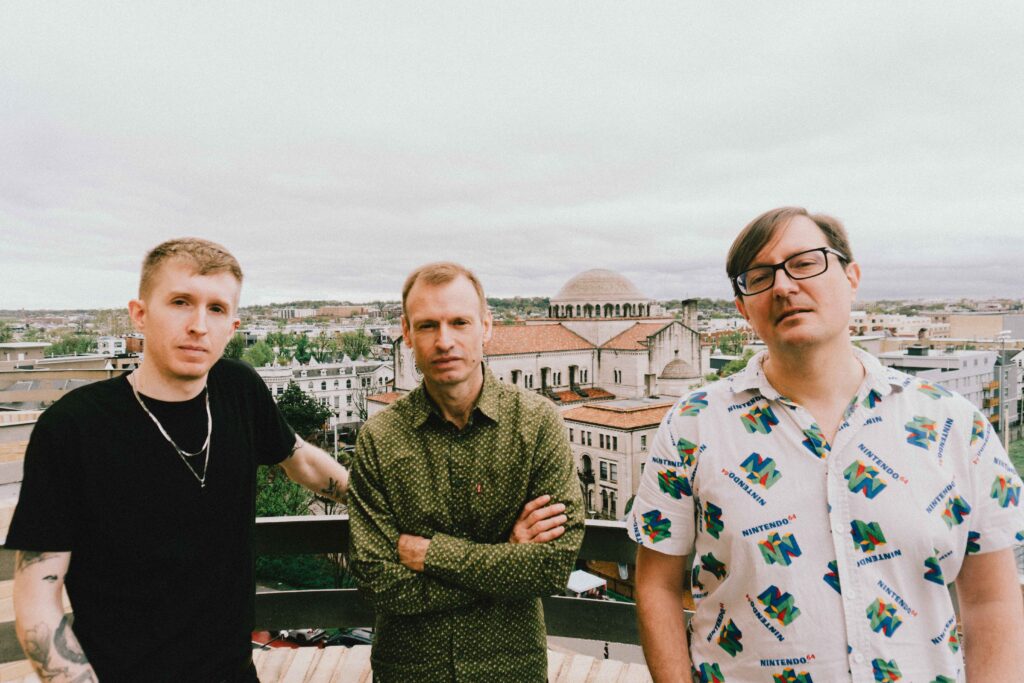
As a young band that’s already building momentum, what kind of legacy do you hope Burden’s Landing creates? Beyond great songs and energetic performances, what do you want listeners to remember about the band’s message, evolution, and place in alternative music?
We are finding out who we are as we grow, that means listeners and fans coming in now get to be part of our identity formation as a band. I don’t know how long and where this project will end up. I take things one song at a time, one release at a time, one show at a time. We learn more about ourselves and our music the more we write and perform.
Music is a form of culture and a great space to build community. We live in a very divided and competitive culture, we are forced to engage in so many systems that do not respect our freedom and humanity. I’d love for our music and our shows to be a safe place for connection, self-expression, and provide a relief to the dominant culture. Alternative music is so important to me and has given me a healthy, meaningful outlet since I was a kid. Now that I am able to create the music, I want to share that reality with other people.
