


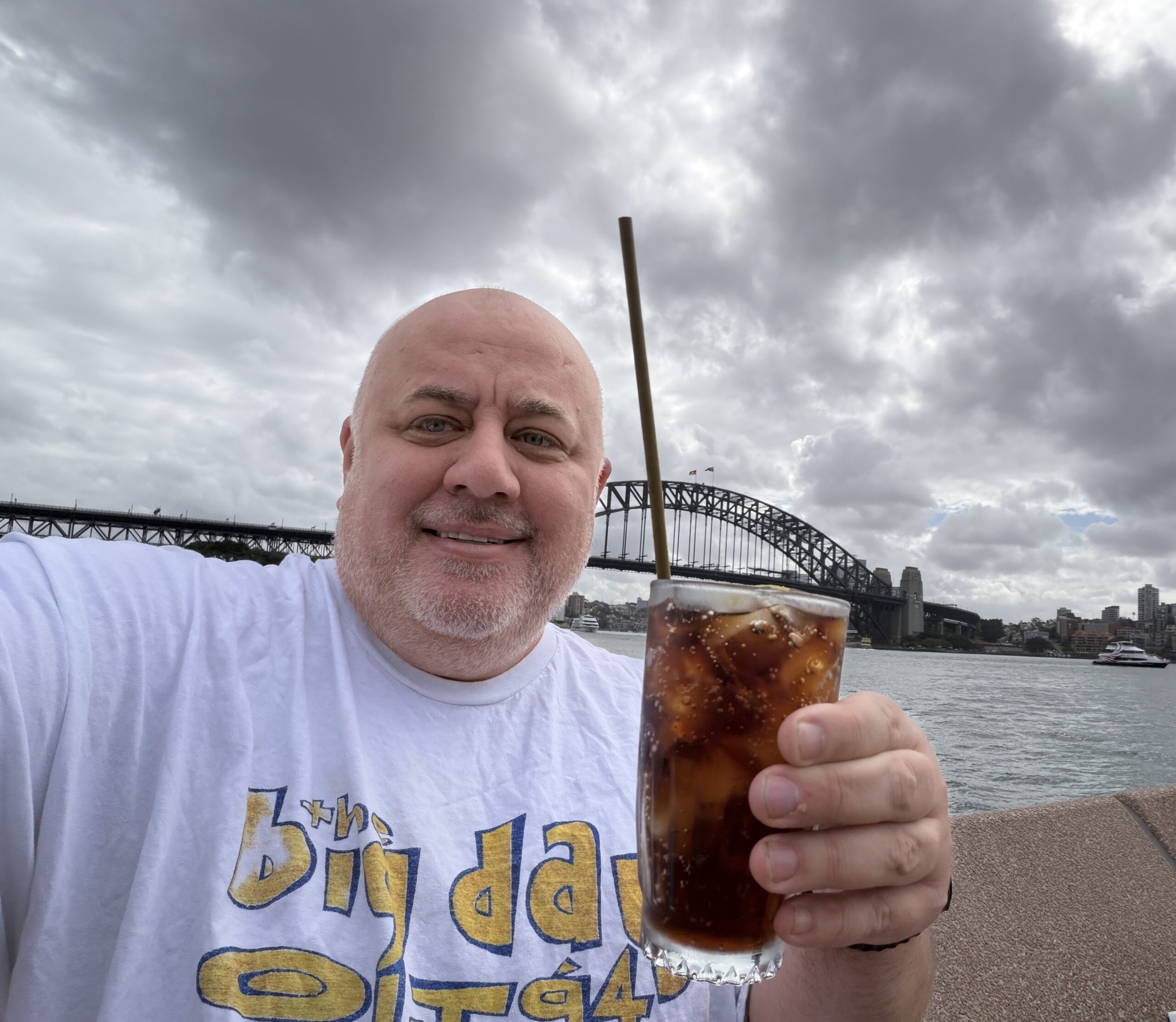
Reetoxa stands out as an artist whose story feels genuinely lived rather than constructed, and that depth becomes even more evident through the interview that accompanies the release of War Killer. There is a quiet strength in the way he reflects on his journey, one that spans decades of writing music privately before finally stepping into the public space with intention. The conversation reveals not just an artist presenting a new single but also a creative mind unpacking years of experience, emotional growth, and artistic discovery.
At the heart of the discussion is a simple but defining moment of acceptance. Reetoxa shares how, after years of writing without releasing, he eventually came to terms with the fact that he is an artist. That realization is not framed as a dramatic turning point but as something deeply personal and liberating. It becomes the emotional foundation of War Killer, shaping the track as both a debut statement and a reflection of a long-held creative identity finally finding expression.
This interview also traces the evolution of his songwriting across different emotional eras. From punk-driven beginnings to more reflective and emotionally layered work, Reetoxa’s catalog mirrors the shifting phases of his life. He openly acknowledges how personal growth and therapy have influenced his current writing, bringing a sense of clarity that contrasts with the raw intensity of earlier material. This evolution gives War Killer a grounded emotional perspective, shaped by both experience and self-awareness.
Another key aspect of the conversation is his decision to release older songs written decades ago. Letting go of that material represents a significant moment of closure, allowing him to step forward without the weight of unfinished history.
Together, the interview and War Killer present Reetoxa as an artist stepping into visibility with honesty, patience, and a voice shaped by time, making this release feel both meaningful and fully earned.
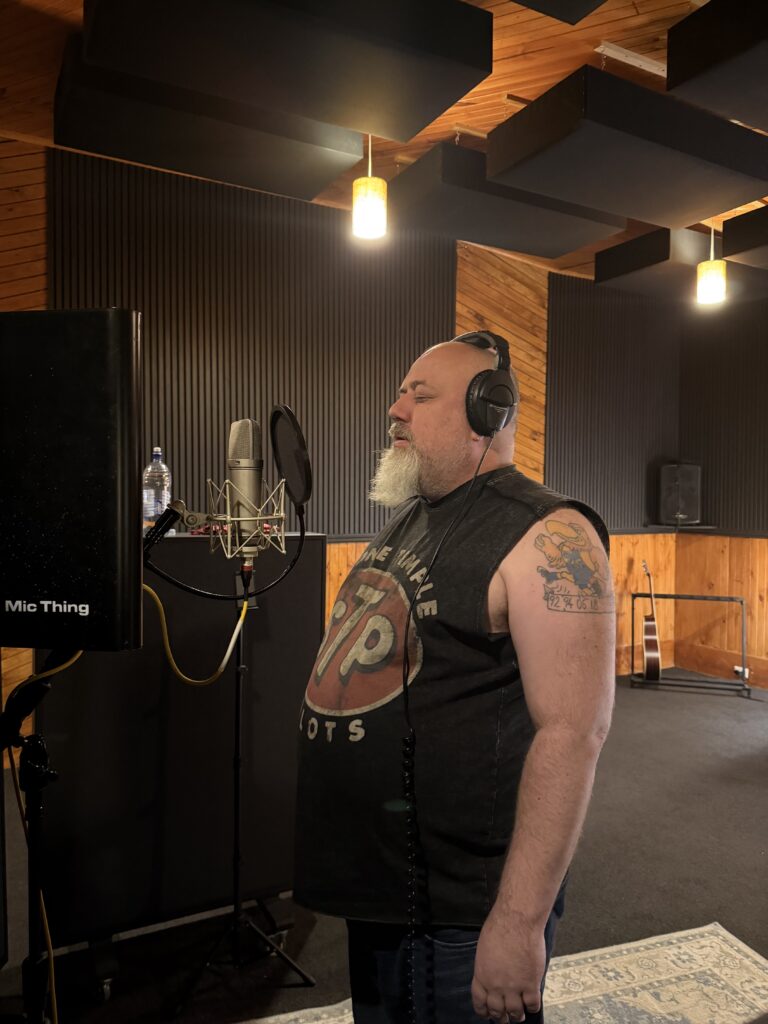
After spending decades writing music without formally releasing it, what has the process of finally stepping into the public space taught you about yourself as both a writer and a person, especially when your creative identity was previously private for so long?
I learnt and accepted that I was an artist. I can’t hide it or fight it anymore. It’s been so liberating.
Looking at your journey as a whole, how do you reflect on the evolution of your songwriting from those early years to now, and what would you say has remained unchanged in your artistic voice despite all the time and experience in between?
My journey has gone from punk to rock to sad to sexy and back again. It really reflects my moods during the different eras. I wish I’d written more melancholy songs before therapy and medication as I’m quite solid now.
There is often a significant emotional shift between creating music in isolation and releasing it into the world. How did you personally navigate that transition, and what did it feel like to finally let go of songs that had lived with you privately for years?
Finally getting 30-year-old songs like Bottle, Amber, and Avocet courted out was liberating. I should have a total clean slate by the fourth album.
With such a large body of unreleased work behind you, what guided your decision-making when selecting which songs would represent your official introduction as an artist, and how much did instinct versus strategy play a role in that process?
With the first album, I tried to make a sort of best of from 1995 to 2024, not including the soliloquy songs. Soliloquy I chose as a ship going over waves with the flow of songs. I’m not sure if I achieved that, but I tried my best.
In what ways has your collaboration with producer Simon Moro reshaped or re-energized your approach to recording, and what creative dynamic emerged between you that perhaps surprised you during the making of this record?
I did not want to sound like a cliched 1995 alternative record. I wanted to stay true to the roots but put a modern twist on it. Simon and the band helped me do that !
‘War Killer’ carries a strong thematic weight rooted in politics, memory, and personal belief systems. When you were shaping the track, how did you balance the emotional honesty of your own perspective with the broader responsibility of addressing such sensitive global themes?
I tried to imagine I was writing a balanced essay at uni or talking out loud to someone about my opinion. It was so hard, but I believe I did it as both sides of politics can enjoy the song.
The moment that inspired the song came during a highly unusual period in global history, particularly Melbourne’s lockdown and the symbolic meeting between world leaders. How did that sense of surrealism influence the tone, message, and urgency of the song itself?
Before I released my music, I was very angry at the navy for my health problems and getting in the way of my dreams. I have calmed down and started to appreciate my service. Now I have created art, and they are helping me. The tension is in the song, I think.
Given your background in the military, how did your lived experiences inform the emotional tension within ‘War Killer’, and did writing the song reveal any internal conflicts or reconciliations you had not fully processed before?
I don’t think Australia realized how big a threat North Korea was to the region. We only recognise the military in Australia on Anzac Day and Remembrance Day. I wish it were celebrated more like in the u.s.a.
The recording of the track at The Avenue Studio has been described as almost accidental in its magic, emerging from a spontaneous first take. How important do you think unplanned creative moments like that are in capturing authenticity in music?
The session musicians could have just recorded and gone home, but I guess they felt their name would be on it and wanted to give it all they could. I am so grateful to them and would work with them again anytime. Music should be political and thought-provoking without being cliched or boring. We achieved that.
