


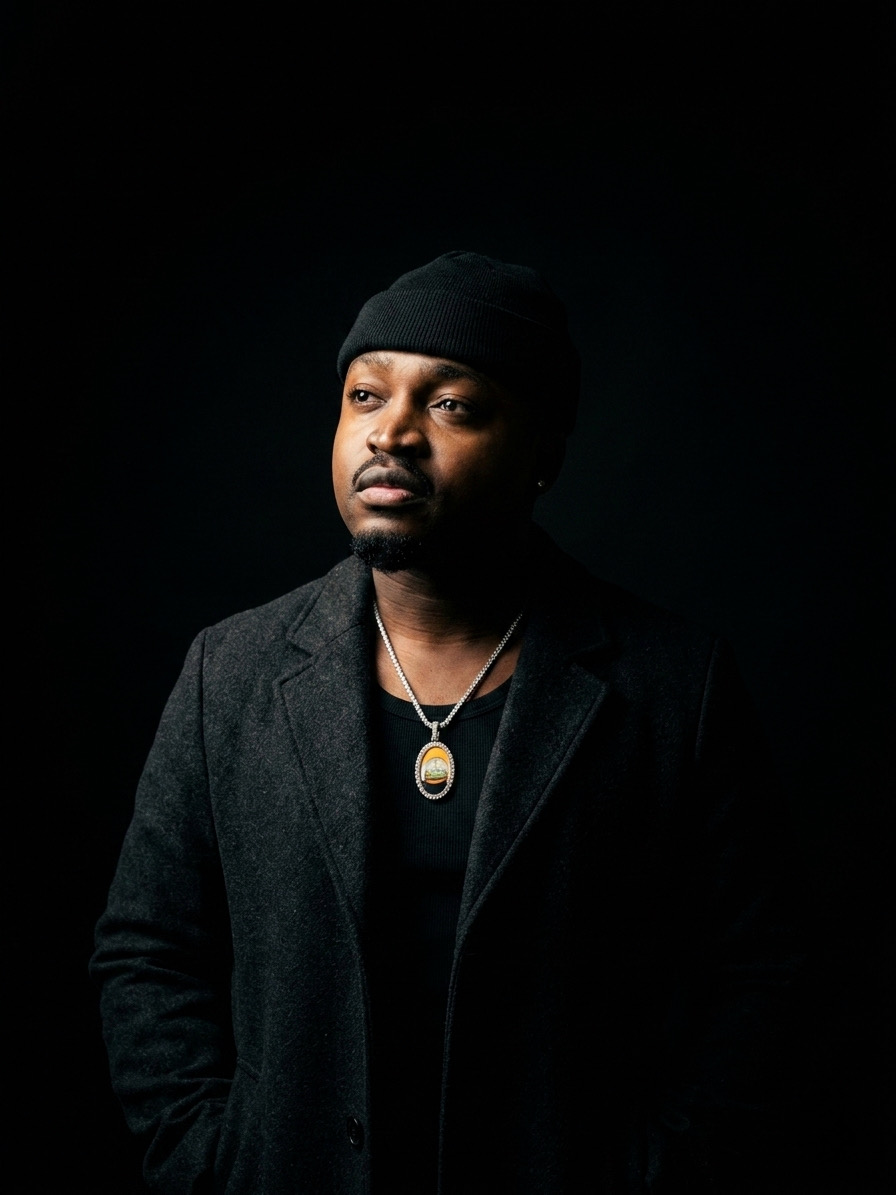
Few artists today carry the kind of creative depth and cultural responsibility that Tavo Man does. Known across his artistic universe as Ábuti and Gart Nation, his work stands as a powerful bridge between ancestral heritage and modern expression, blending music, visual art, and storytelling into something deeply meaningful and unforgettable.
Tavo Man is not simply making songs. He is preserving history, amplifying unheard voices, and using his platform to ensure that Garifuna culture continues to live, breathe, and evolve on a global stage. Through his fearless creativity, he has built a body of work that feels both deeply personal and universally resonant, touching on themes of identity, faith, migration, resilience, and hope with remarkable honesty.
His latest release, Daruguaba Remix, is a stunning example of that vision. Stripped back and emotionally exposed, the acoustic-driven record delivers a message that feels spiritual, urgent, and profoundly human. Performed in the Garifuna language, the song is both a prayer and a testimony, carrying the powerful declaration “Bungiu Daruguaba, Lau Garifuna” as a reminder of protection, faith, and survival through adversity.
Recognized by respected platforms such as Forbes Central America and The Guardian, Tavo Man continues to prove that authentic cultural storytelling can transcend borders while staying rooted in truth.
In this exclusive interview, he opens up about the spiritual heart behind Daruguaba Remix, the importance of preserving the Garifuna language, balancing innovation with tradition, and his unwavering mission to elevate his people’s stories for generations to come.
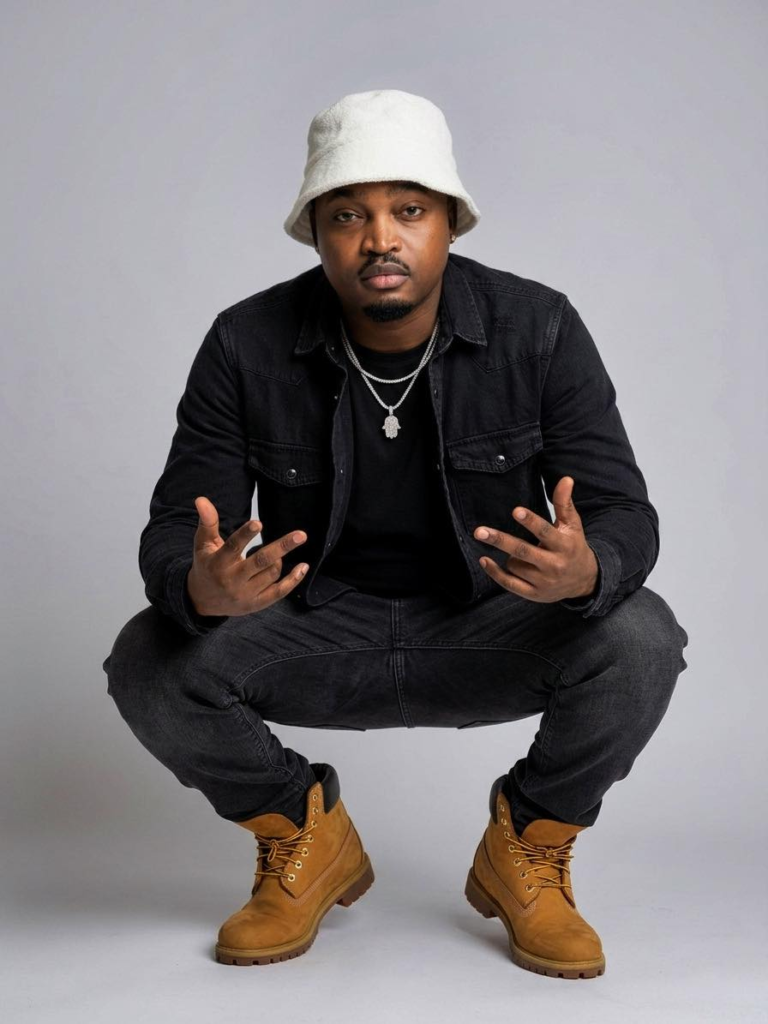
To begin, could you introduce yourself for readers who may be discovering your work for the first time, and explain how your identities as Tavo Man, Ábuti, and Gart Nation connect across music and visual art?
I’m Tavo Man, also known as Ábuti and Gart Nation. All of these identities are connected through the same mission: preserving and elevating Garifuna culture through music, storytelling, and visual art. Tavo Man is the musical voice, Ábuti represents a more spiritual and ancestral side of my identity, and Gart Nation is the creative universe where all my artistic expressions meet. Whether through sound, visuals, or performance, my work is about giving visibility to stories that are often unheard and connecting heritage with modern expression.
“Daruguaba Remix” is a deeply intimate and stripped-back record. What inspired you to create this version, and what made you choose a minimal, acoustic-driven approach for such a powerful message?
The inspiration came from wanting the emotion and truth of the story to be fully exposed without distractions. I wanted listeners to feel every word and every emotion directly. The acoustic and minimal production creates intimacy and vulnerability, allowing the spiritual and social message to become the center of the experience instead of the production itself.
The phrase “Bungiu Daruguaba, Lau Garifuna” sits at the heart of the track. Can you expand on its meaning and the role faith and spirituality play in your creative process?
“Bungiu Daruguaba, Lau Garifuna” means “God covers the Garifuna.” For me, it’s more than a lyric — it’s a prayer and a declaration of protection. Faith is deeply connected to the Garifuna people and to my own creative process. When systems fail us, spirituality becomes strength, guidance, and survival. That phrase represents resilience and the belief that even in difficult moments, we are not abandoned.
“Daruguaba Remix” is performed in the Garifuna language and carries a strong spiritual message. How important is it for you to preserve and elevate the Garifuna language through your music?
It’s extremely important because language carries identity, memory, and history. Every time I create music in Garifuna, I’m helping keep the language alive and introducing it to people who may have never heard it before. I want younger generations to feel proud of speaking Garifuna and for global audiences to understand that our culture is alive, evolving, and powerful.
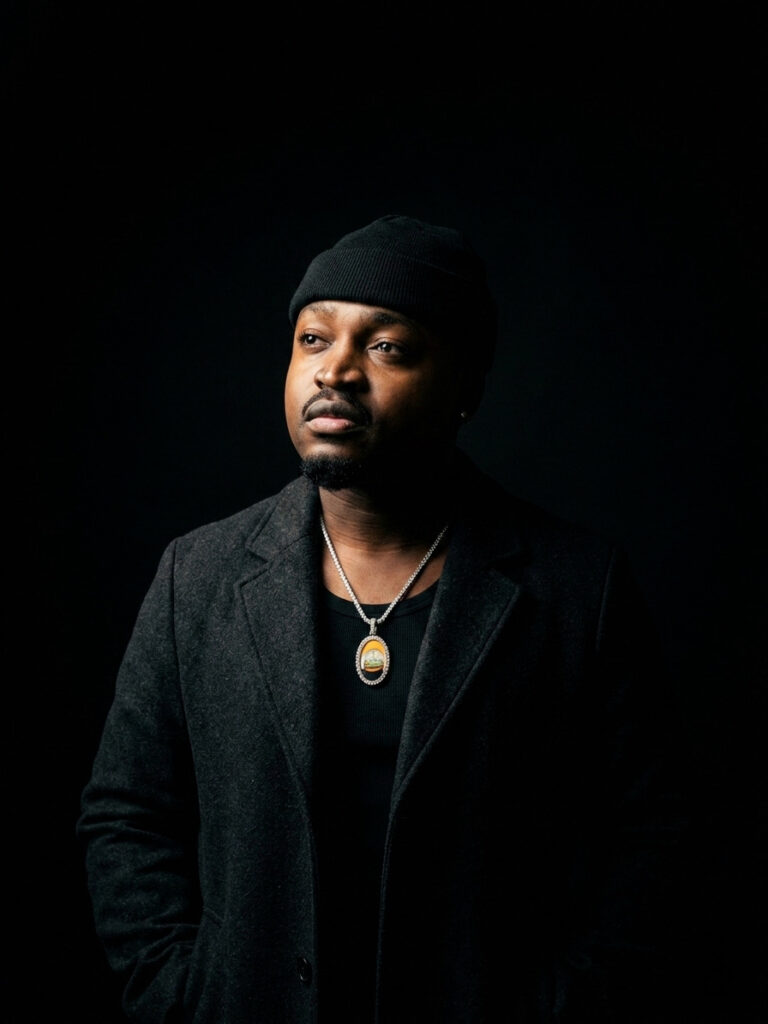
“Daruguaba Remix” addresses themes of migration, displacement, and undocumented life. Why did you feel it was important to speak on these realities so directly, and what conversations do you hope the song will spark?
Because these realities are lived by so many people in our communities, yet they’re often ignored or misunderstood. I wanted to humanize those experiences and show the emotional cost behind migration — family separation, fear, survival, and dignity. I hope the song sparks conversations about humanity, immigration, freedom, and the sacrifices people make just to build a future for their families.
Your vocal delivery feels raw and deeply personal throughout “Daruguaba Remix”. How do you emotionally prepare yourself to express such real and heavy experiences in your music?
I don’t try to separate myself emotionally from the music. I allow myself to feel everything connected to the story — the pain, fear, faith, and hope. Many of these emotions come from real experiences, collective memory, and conversations within the Garifuna diaspora. When I record, I focus on honesty more than perfection because authenticity is what truly connects with people.
You’ve received recognition from platforms like Forbes Central America and The Guardian. How has this global recognition influenced your mission to represent Garifuna culture?
That recognition showed me that Garifuna stories can resonate globally while staying authentic to our roots. It motivates me to continue representing my people with pride and responsibility. The more visibility I receive, the more I feel a duty to open doors for Garifuna culture, language, and artists on international platforms.
You are known for blending Afrobeat, reggaeton, and ancestral rhythms into Garifuna urban music. How do you balance innovation with cultural preservation while staying authentic to your roots?
For me, innovation and preservation can coexist. I always keep the Garifuna spirit, language, and storytelling at the center of the music, even when experimenting with modern sounds like Afrobeat or reggaeton. The goal is not to abandon tradition but to create bridges between ancestral identity and contemporary music so the culture can continue evolving while remaining authentic.
Your work often connects ancestral identity with present-day struggles. How do you approach storytelling in a way that remains both culturally grounded and globally relatable?
I focus on emotions and truths that are universal — survival, displacement, faith, identity, and hope — while telling them through a Garifuna perspective. Even if someone doesn’t understand the language, they can connect to the humanity in the story. I believe the more honest and culturally grounded a story is, the more globally relatable it becomes.
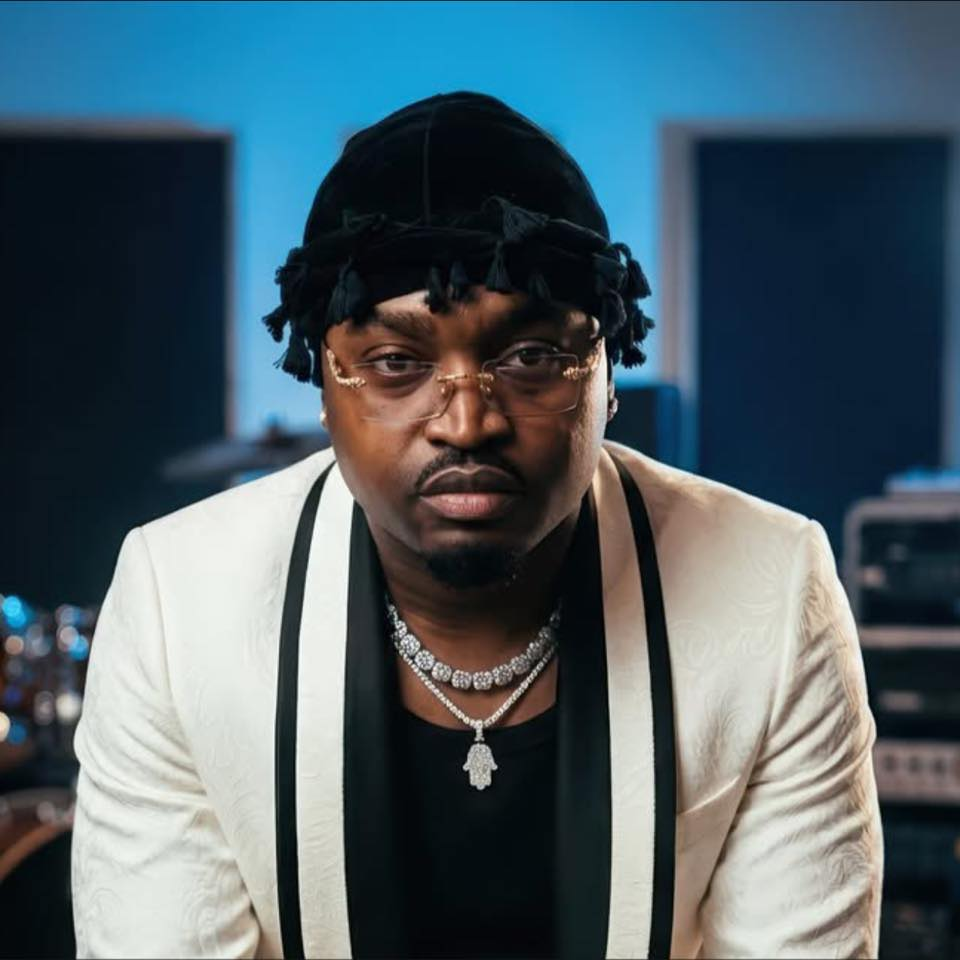
What do you hope listeners around the world take away from “Daruguaba Remix,” especially those who may be experiencing Garifuna language and culture for the first time?
I hope they walk away feeling the humanity behind the music and understanding that the Garifuna people are resilient, spiritual, and still fighting to preserve our identity. I want listeners to hear not just a song, but a testimony — a reminder that even in displacement and struggle, culture, faith, and hope contin
