





Shi-N0bi is an independent artist and producer redefining what modern music creation can look like by combining heartfelt songwriting with cutting-edge technology. Blending cinematic storytelling, electronic production, and AI-assisted tools without sacrificing authenticity, he has developed a creative process that places human emotion at the center of every release. His latest single, Something About You, transforms a vivid memory of a late-night drive and unspoken young love into a nostalgic, emotionally immersive experience, while the accompanying Raw Studio Mix offers listeners an unusually transparent look behind the production process.
In an era where artificial intelligence continues to reshape the music industry, Shi-N0bi is committed to proving that technology works best as a creative partner rather than a replacement for genuine artistry. In this exclusive interview with Spinex Music, he discusses the inspiration behind Something About You, his unique songwriting philosophy, the evolving role of AI in music production, and his vision for creating songs that leave a lasting emotional impact.

Congratulations on the release of “Something About You.” The song is inspired by a memorable late-night drive and the unspoken emotions of young love. What made that particular memory stay with you for so many years, and why was now the right time to turn it into music?
Thank you! That memory stayed with me for so many years because of how intense those feelings were at the time. She was my friend, but my heart was pulling me deeper. The way she carried herself, her intelligence, her beauty, it all left a lasting mark.
Driving through the quiet town at midnight, with bubblegum pop playing on the radio, created this almost surreal atmosphere that sealed the moment forever. It was always the perfect recipe for a track. I decided to bring it to life now because my production style has reached a point where I could actually capture that nostalgic, late-night emotion the way it deserved to be heard.
You describe your creative process as a fusion of traditional songwriting and advanced technology. How do you ensure that the emotional heart of a song remains authentic while using cutting-edge production tools and AI throughout the creative process?
It’s simple, really: I never let the technology override the original spark. AI tools have a tendency to go off-script, altering arrangements or vocal structures until the song loses its original identity. For me, that’s a hard red line.
When I bring AI into my workflow, I generate continuous iterations until I land on a version that mirrors my original studio mix. I’ll accept subtle texture updates, like swapping a lead guitar for a lush synth line, provided the actual composition and emotional pacing stay intact. By keeping strict boundaries on the arrangement, the song keeps the exact emotional heart I built into it from day one.
Your release includes both a polished final version and a Raw Studio Mix, giving listeners a rare glimpse into your production process. What inspired you to share that level of transparency, and what do you hope listeners discover by hearing both versions?
In an era where so much music is fully AI-generated from scratch, skepticism is at an all-time high. It’s easy for anyone to claim they built a track from the ground up, but I wanted to present the actual evidence. Releasing the Raw Studio Mix, imperfections and all, is about total transparency and credibility.
Beyond proving the work, I wanted listeners to experience the raw human foundation behind the track. There’s a huge subset of music lovers and purists who actually prefer that unpolished, organic sound over a slick, high-gloss sheen. Giving them both versions lets them peel back the layers, appreciate the raw emotion, and choose how they want to experience the track.
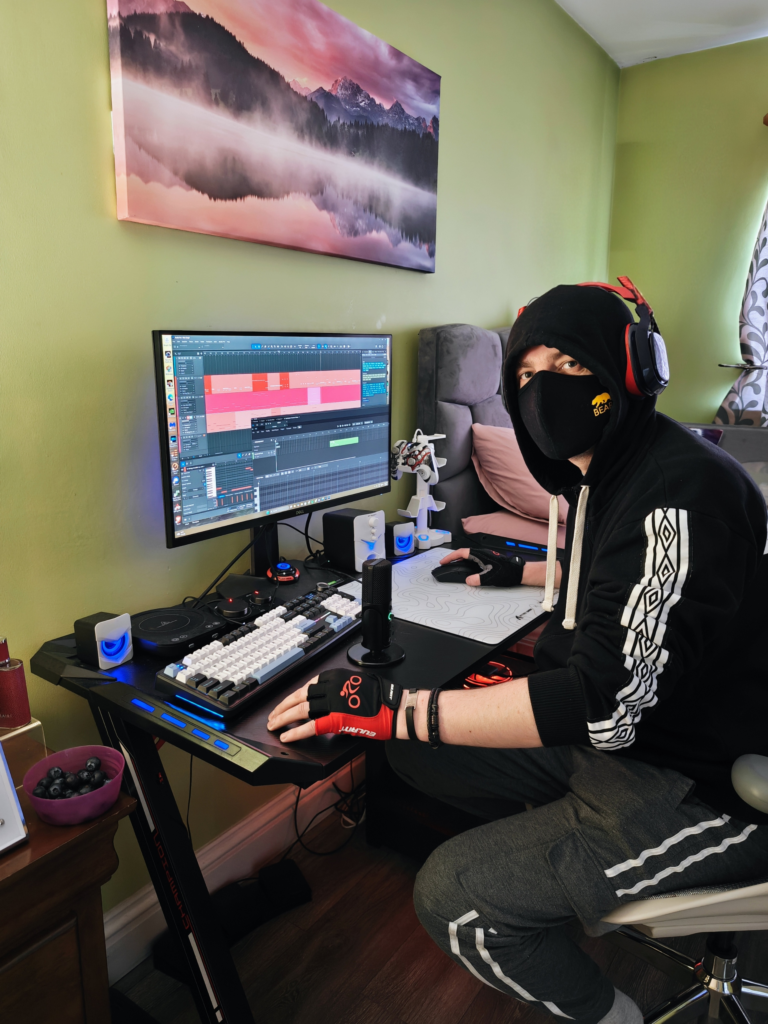
Every song begins with weeks of manual composition before moving into vocal programming and production. Could you walk us through your songwriting process, from the first spark of an idea to the finished master?
Every song starts as a sudden spark. With ‘Something About You,’ I was at work when the chorus melody hit me out of nowhere. I found myself humming, ‘There is something about you, oh oh,’ and instantly knew I had my hook. From there, I then locked in the lyrics for the chorus and wrote Verse 1 to build the first part of the story.
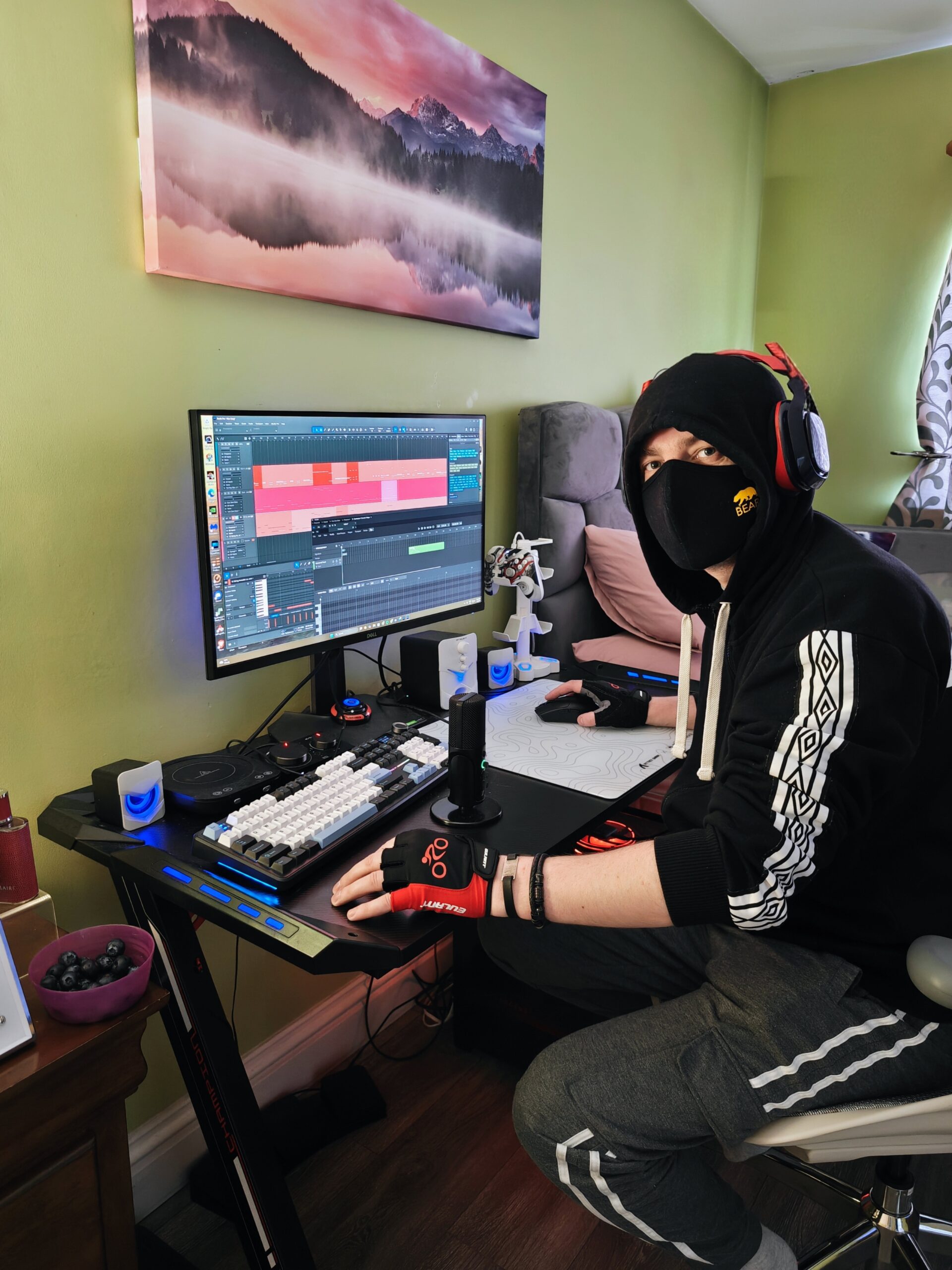
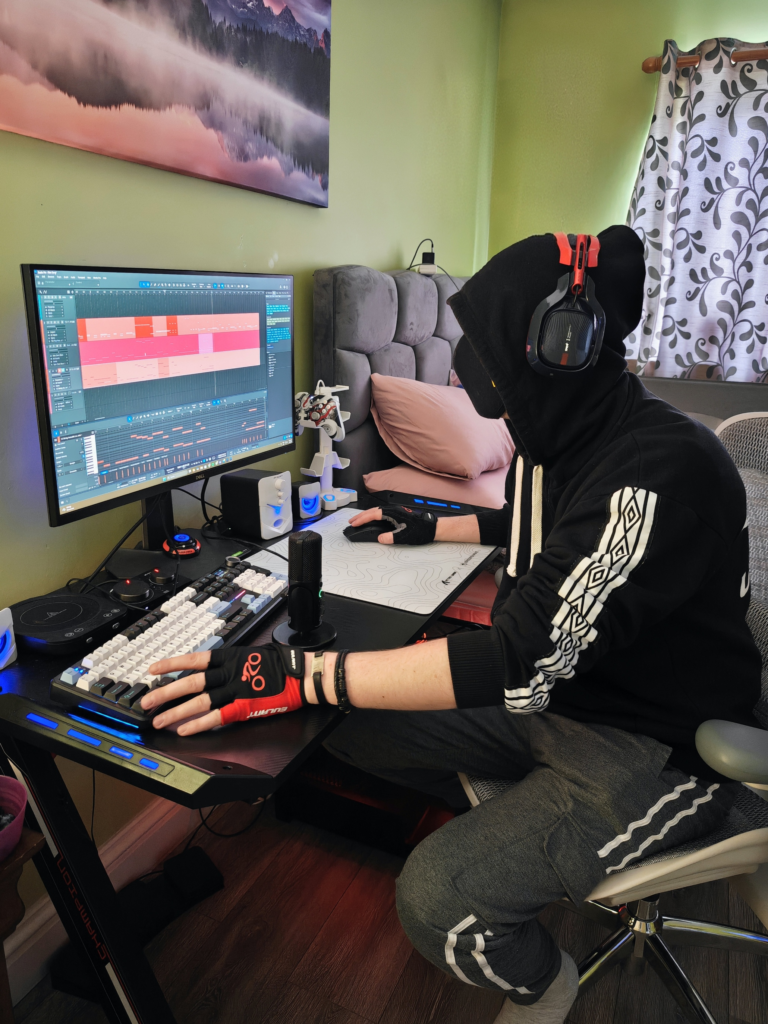
Once those core pieces exist, I move into my DAW and vocal synthesizer software to build the instrumental and vocal arrangements in parallel. I always design a catchy instrumental intro to pull listeners in immediately before the first verse drops. Throughout the verses, the instrumental hooks and vocal arrangements have to dance together to keep the energy moving, building up to a chorus that feels memorable, energetic, and powerful.
I weave everything together like a spider weaving a web. To me, a song is like a temporary house where a listener’s mind and heart live for three or four minutes. If that house feels cluttered or uninviting, they’ll leave immediately. But if it’s cozy, atmospheric, and beautifully built, they’ll want to stay, and explore every room.
AI has become an increasingly discussed topic in music creation. From your perspective, where should the line be drawn between technology serving creativity and technology replacing it?
The line is drawn at human contribution and intent. At an absolute bare minimum, an artist should be writing their own lyrics. The words and stories need to come from a real human experience. If someone generates the lyrics, generates the music, hits a single button, and puts their name on it, they aren’t a music producer; they’re just a “button-clicker”.
There’s a massive difference between using AI as a tool to enhance your own vision and delegating the entire creative soul of a track to an algorithm. We need to respect the craft enough to make real effort. Technology should act as an assistant or a studio collaborator that helps bring your original ideas to life, never the sole mind behind the song.
Your music combines cinematic storytelling with modern electronic production. How important is storytelling to your identity as an artist, and what do you hope listeners visualize or feel when they hear your songs?
Storytelling is easily half of the equation for me. It’s the soul of my sound. A song can never be truly complete without a real narrative behind it, otherwise it just feels empty. Catchy instrumentals might grab someone’s attention on the first couple of plays, but if the underlying message is poor or generic, it loses its spark quickly.
My goal with every release is to weave a deep visual message alongside the music. The story needs to paint clear pictures in your mind and create a cinematic experience to match the sonic one. I want listeners to walk away feeling like they’ve just lived through a story, not just listened to a 3-minute track.
Independent artists now have access to tools that were once reserved for major studios. How has this technological evolution changed the opportunities available to musicians, and what challenges still remain for independent creators?
I’ve been listening to music 8 to 10 hours a day since I was a kid. Headphones in, everywhere I go. Music has always been an absolute necessity for me. Modern tools, especially advanced DAWs, vocal synthesizers, and production tech, have completely disrupted the game because they give people like me the power to create, not just listen. We can sculpt an instrumental from scratch, synthesize the vocal performances, and apply that final studio polish all from a home setup. Turning the exact soundscapes in my head into real tracks for others to hear is a dream come true.
The biggest challenge, without a doubt, is discovery. You can spend months pouring your soul into bringing a track to life, but if nobody knows who you are, it can feel like shouting into a void. Trying to grab attention in today’s hyper-saturated market is tough. In a world of eight billion people, finding your core audience sometimes feels like SETI searching for signals in deep space. You know they’re out there, but making that connection takes immense patience and persistence.
Looking beyond the technology, what personal experiences, relationships, or life moments continue to inspire the stories you choose to tell through your music?
Only the deepest ones. The moments that leave a permanent mark on who we are. Those are the memories I always return to when I write, because they carry the power to make us reflect, smile, weep, adapt, and ultimately create.
It’s moments like locking eyes with a stranger and feeling that unexplainable, almost otherworldly spark of instant recognition. Like you’ve met in another life. Or that pure, grounding feeling of holding your child in your arms. You can’t necessarily explain those moments logically, but you feel them in your chest. Those are the experiences that deserve to be immortalized in a song, because when a story comes from a place that real, listeners don’t just hear it, they instantly connect with it.
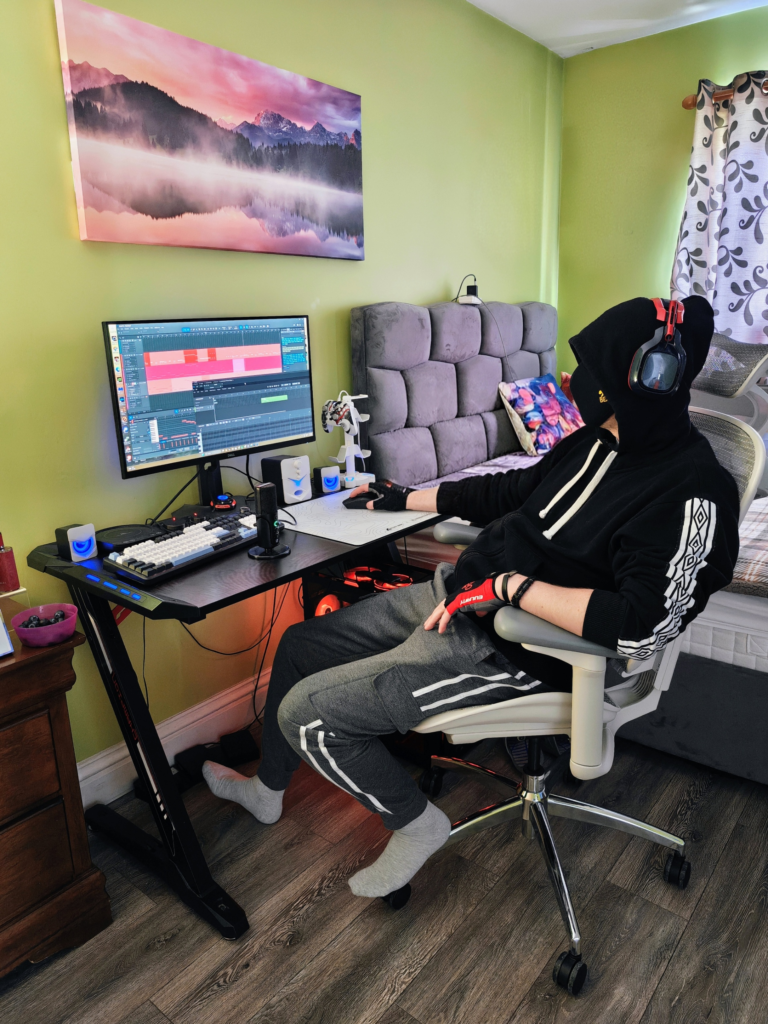
Every artist evolves over time. In what ways do you think Shi-N0bi has grown creatively since your earliest releases, and what aspects of your artistry are you still striving to develop?
I’ve only been on this path for about a year. Balancing music production with a full-time job and being a father means I don’t always have as much time as I’d like to develop, but every single day is a learning process. It all started with basic AI experimentation, which sparked the drive to dive deep into manual DAW work, sound design, and vocal synthesis.
I’m far from perfect, but I learn something new every time I open a session. The goal is steady, incremental progress. AI has been an amazing tool for giving tracks that final polish in the early stages, but I’m actively working toward the point where my manual studio mixing and production skills are so sharp that I no longer need any external AI assistance to get that radio-ready sheen. It’s a ‘slow but steady’ evolution, and I love the journey
As you continue building your catalog, what kind of legacy do you hope to create? When listeners think of Shi-N0bi years from now, what do you hope they remember most about your music and your approach to creativity?
I hope they remember Shi-N0bi as an artist who chose heart and story over quick shortcuts. In an era overflowing with fast, disposable content, I want my legacy to be about crafting authentic, emotional worlds. Music that transports you straight back to a late-night drive, a deep memory, or a feeling you thought you’d forgotten.
More than anything, I hope my journey shows that you can balance real life, family, and hard work, and still build something beautiful and lasting from scratch. If my songs can remain a cozy, atmospheric sanctuary for someone’s heart and mind years down the line, then I’ve done my job.


