






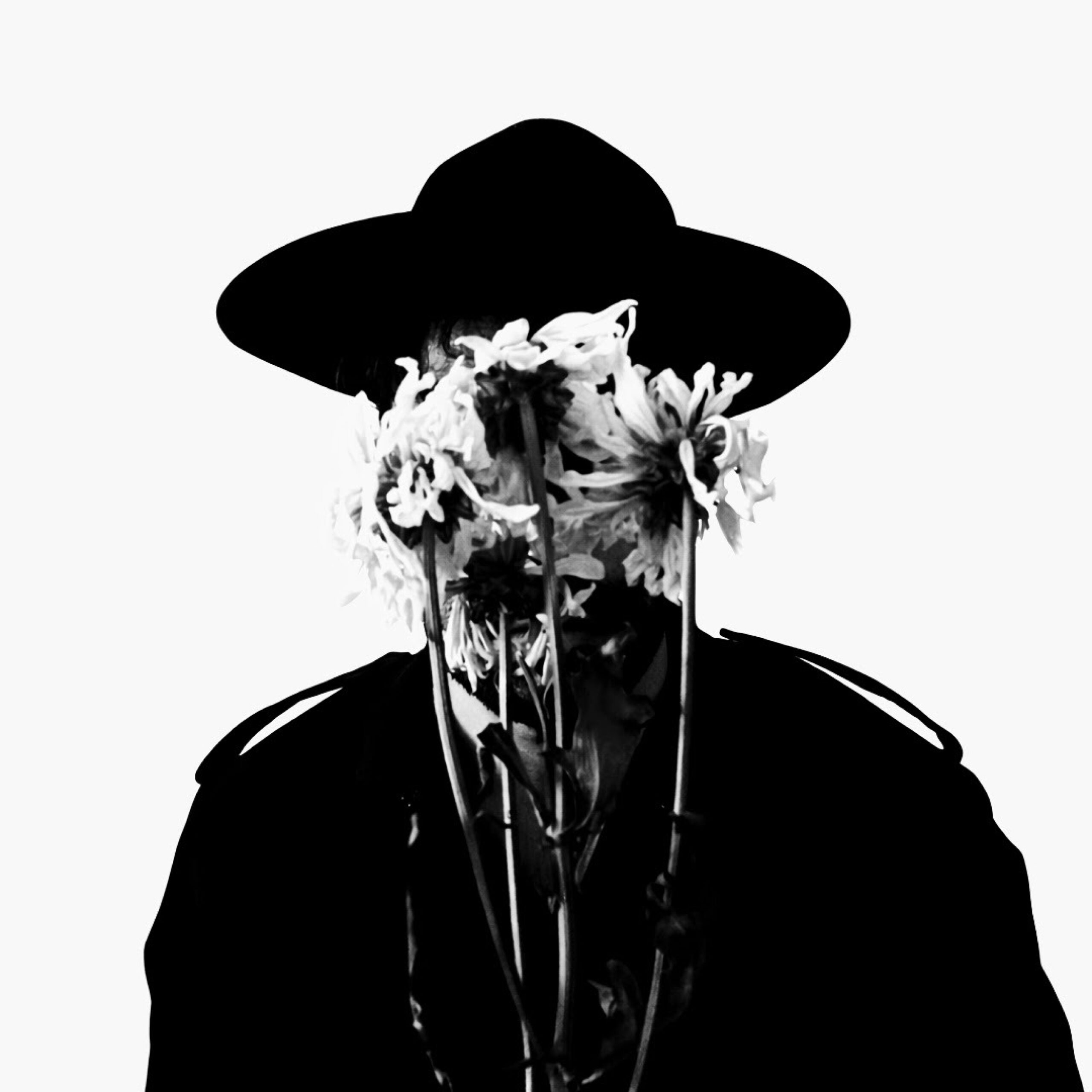
In an era dominated by endless scrolling, instant consumption, compressed attention spans, and songs engineered to reveal everything within seconds, Pascal & The Shades invite listeners to do the opposite: slow down, listen closely, and disappear for a while. With “Spirit of the Cactus,” the project creates an imagined desert landscape where spoken-word poetry, sparse instrumentation, improvised guitar and spacious production become vehicles for introspection.
Rather than following the familiar architecture of contemporary songwriting, “Spirit of the Cactus” unfolds more like a short film without a screen. Its desert-noir atmosphere leaves room for silence, uncertainty and discovery, while the spoken narrative carries a literary weight that deliberately sits somewhere between music and poetry. The guitar, often improvised and captured in a single take, feels less like accompaniment than a voice of its own, responding instinctively to the emotional landscape around it.
For Pascal & The Shades, minimalism is not an absence of ideas but a form of freedom. The music seeks out the essential, allowing each sound to exist without being buried beneath unnecessary layers. The imaginary desert becomes a refuge from everyday noise, while the recurring themes of wandering, isolation and resilience suggest a larger artistic world that stretches across releases such as Bad Poetry, Danger Moon and now Spirit of the Cactus.
Yet beneath the solitude is an unmistakable desire for human connection. After years of music increasingly experienced through screens, playlists and algorithms, Pascal & The Shades ultimately want the journey to lead somewhere physical: the concert stage, where people can gather, move, dance and dream together.
In this conversation, Pascal & The Shades take us inside the creative philosophy behind “Spirit of the Cactus,” discussing improvisation, spoken-word storytelling, minimalism, cinematic imagination, artistic independence and the tension between creating music for the moment and creating music that lasts.

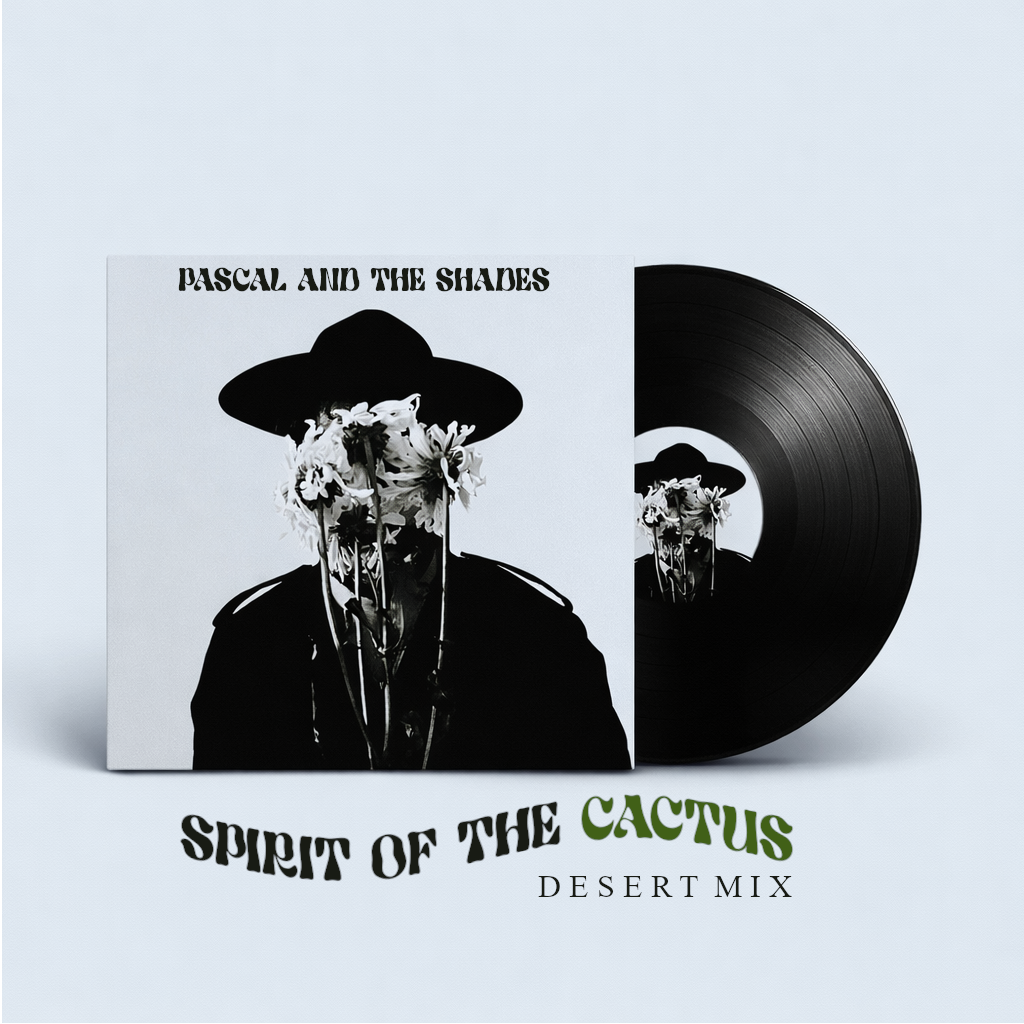
“Spirit of the Cactus” feels less like a conventional song and more like a cinematic journey. What story were you hoping listeners would experience as they travel through its spoken-word narrative and expansive desert landscapes?
Ideally to pause and reflect and look inwards, swift through everyday noise and fast consumption music and data.
The track relies heavily on atmosphere, improvisation, and restraint rather than traditional song structures. How do you know when an improvised moment has captured the emotion you’re searching for instead of simply becoming experimentation?
Experimentation exists only in the moment it is perceived. That itself has value, being a fresh idea by it’s birth.
Your music has developed a distinctive desert-noir identity despite being created between Germany and Greece. What draws you so strongly to these vast, solitary landscapes, and how do they reflect your own emotional or artistic world?
It was a deep need for tranquility to be expressed through guitar and lyrics and an imaginary desert feels like a good refuge…
Spoken-word storytelling sits at the heart of “Spirit of the Cactus.” What can spoken narration communicate that singing sometimes cannot, and how did you approach finding the right balance between the two?
It has a specific weight that is more connected to poetry and literature rather than singing which I find intriguing.
Many modern productions are densely layered and highly polished, yet this single embraces space, silence, and minimalism. Was it difficult to resist adding more elements, and how important is restraint to your creative philosophy?
I love minimalism. Keeping the simple and crucial ingredients feels freeing.
Across releases like Bad Poetry, Danger Moon, and now Spirit of the Cactus, there seems to be an ongoing narrative of wandering, isolation, and quiet resilience. Do you see these songs as chapters in one larger story, or does each release represent a different stage of your personal journey?
Both, life imitates art and vise versa.
Improvised guitar solos give the track an unpredictable, almost conversational quality. How much of the final recording was captured in the moment, and were there any unexpected performances that ultimately became essential to the song?
The solos were improvised in one take early in the morning…
Your music creates vivid visual imagery that often feels like the soundtrack to an unwritten film. When composing, do you think first in terms of scenes and emotions, or do the musical ideas naturally create those cinematic worlds on their own?
It always comes hand in hand. I would love to do a film soundtrack one day.
Independent artists often face pressure to create shorter, more immediate songs that fit streaming algorithms, yet your work prioritizes patience, atmosphere, and slow emotional development. How do you stay committed to that artistic vision while navigating today’s music industry?
Spirit of The Cactus is only the first chapter of a record with many sides and various moods and format lengths…
As Pascal & The Shades continues to build its unique folk-noir universe, what aspects of your sound or storytelling are you most excited to explore next, and where do you hope this long road ultimately leads both you and your listeners?
To live concerts. Enough with the Internet. Let’s dance and dream, we need it.


