




Some eras of music disappear quietly. Others leave fingerprints everywhere. For LoDeck, the late 1990s and early 2000s underground hip-hop scene was more than a period in music history. It was a living culture built through cyphers, packed rooms, face-to-face collaborations and artists challenging each other to become better. Decades later, that spirit still shapes the way he approaches his music.
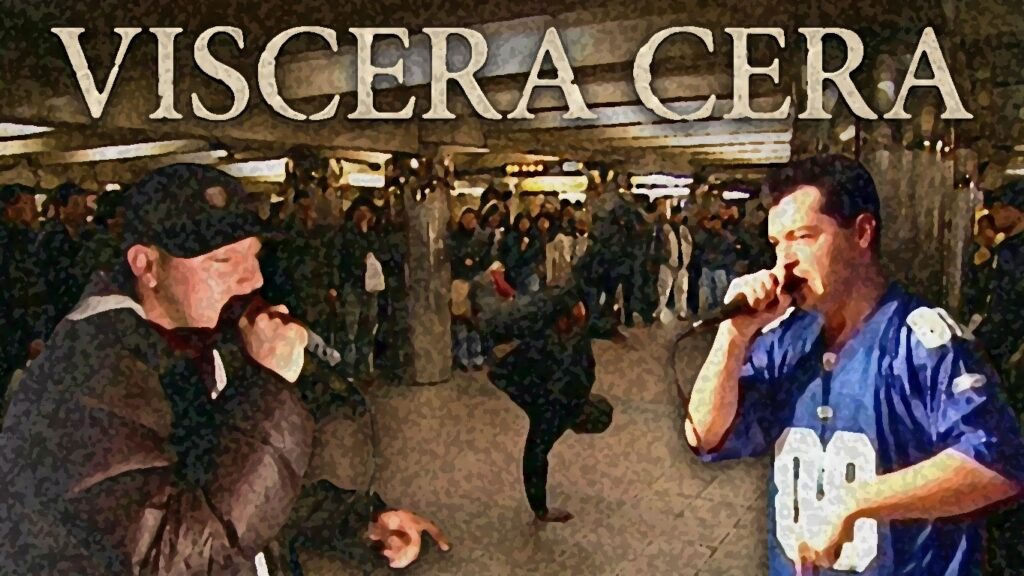
“Viscera Cera,” his collaboration with YESH over a jazzy, sweeping production from Sol626, feels like a meeting point between that past and the present. The song carries the chemistry of two artists who understand each other’s instincts, while its accompanying video reaches back through rare footage of LoDeck and YESH in their younger years. Watching those images today gives the track another dimension, turning it into both a collaboration and a piece of personal history.
For LoDeck, memory is never simply nostalgia. It is evidence of what music once meant when artists had to step outside, meet each other, test their rhymes in real time and build creative relationships in person. He remembers the electricity of hearing records made by people he had just spoken with, as well as the friendships and artists who became part of that journey but are no longer here. Those memories give “Viscera Cera” an emotional weight that extends well beyond the music itself.
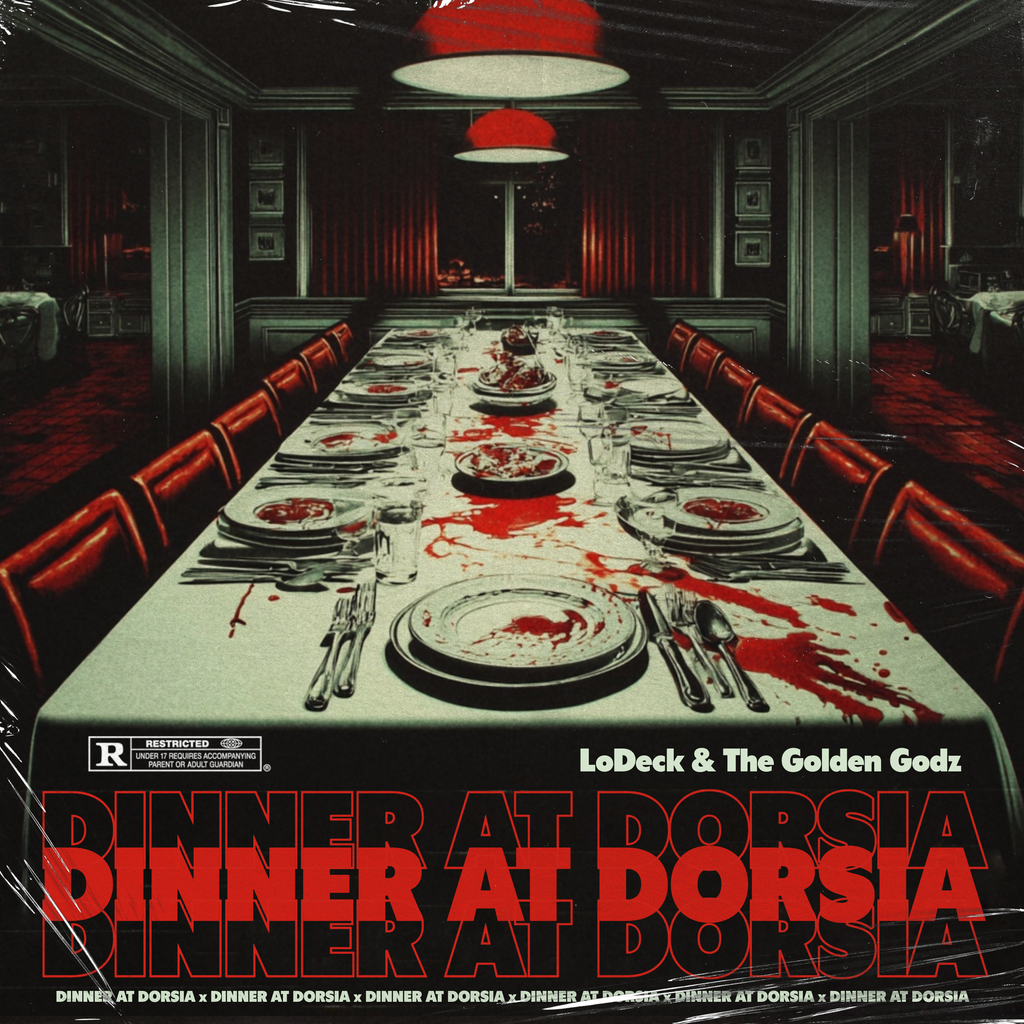
That sense of preservation also runs through Dinner at Dorsia, a project LoDeck describes as his own version of a hip-hop Dream Team. Bringing together artists who might not traditionally appear on the same record, the album rejects the boundaries that can divide scenes and generations. For LoDeck, there are ultimately only two categories: “dope and wack.”
His perspective comes from experience. Recording since 1997, LoDeck has watched independent hip-hop transform dramatically. He remembers a time when being underground was less about an aesthetic and more about developing an elevated level of skill, individuality and versatility. Today, he sees a culture that has changed, but he remains interested in what can still be learned from the artists and movements that came before.
That belief makes Dinner at Dorsia more than another album in an established catalogue. It becomes an attempt to keep certain ideas alive while allowing them to evolve. With DJ Obi handling the mixing and mastering, LoDeck also recognised the importance of the engineering behind a great record, building on lessons learned from Postcards from the Third Rock and pushing the new project even further.
In this conversation, LoDeck takes us inside the memories, collaborations and creative philosophy behind “Viscera Cera” and Dinner at Dorsia. He reflects on the underground culture that shaped him, the artists he has lost, the importance of preserving hip-hop’s history, and why he hopes younger artists will continue digging into the music of the past. For LoDeck, the goal is not simply to remember what came before. It is to make sure there is still something worth discovering years from now.

“Viscera Cera” brings together LoDeck and YESH over a jazzy, sweeping and melodic production by Sol626. What made that particular sound the right foundation for bringing your two distinct styles together?
We work well together and he always knows how to draw out the innovative patterns when it comes to my rhyme style
You have described the beat-selection process as crucial to the collaboration. When working with an MC whose voice and approach are different from yours, what qualities do you listen for in a production before you know that the chemistry will work?
Sometimes I can hear someone’s style on a certain record, but for a record like “Viscera Cera” it was YESH who picked the beat and I followed his idea and vibe to create my part.
The accompanying video features rare footage of both you and YESH from your early years. What was it like revisiting those images, and did seeing your younger selves change the way you understood the journey that led to this release?
It was nostalgic and it felt like a trip in a time machine. Every performance felt legendary.
The video deliberately captures the atmosphere of 1990s and early 2000s New York hip-hop, particularly the world associated with Fondle ’Em, Rawkus and Lyricist Lounge. What do you think made that era so culturally and creatively distinctive, and what elements of that spirit do you believe are still missing from hip-hop today?
I think rappers dont cypher anymore or do anything in person. Most of collabos are digital. Stepping out into reality and testing your rhymes against another rapper in real life is what sharpened the underground movement both on the east with Lyricist Lounge/Braggin Writes and west coast with Project Blowed. The most innovation came from collective experience and experimentation in real time. Face to face.
“Viscera Cera” refers to the memorable moments and experiences that become part of the personal history we return to on special occasions. What memories from your own journey in hip-hop feel most vivid to you now, and how did those experiences shape the song?
The electricity in the air when you hear a record of someone you just spoke to. Just remembering how we were young. Creating with people who are gone today. RIP Pumpkinhead, Labal-S, Tame One, Hurricane G, Shock G. Some of my best memories came from meeting artists behind the voices on records.
Your recording career began in 1997, giving you a perspective that spans several major eras of independent hip-hop. How has your understanding of what it means to be an underground artist changed from your early years to where you are today?
Underground became a look, when in the 90’s early 2000s, the look was secondary to the sound. What our movement was trying to create was an elevated skill level, where you were celebrated for being different, yet technically proficient and versatile. The newer generation seems to think that effortless is better than intricate. This is where the rift is. We look down on things that we know are easy to create, while the new generation relies on blind confidence much more. But maybe they are right?
Working with The Golden Godz and Sol626 brought together artists and producers from different parts of the country, while the album also features figures such as Smoothe Da Hustler and Bigg Jus. What did this network of different generations and scenes contribute to “Dinner at Dorsia” that could not have come from a more isolated creative process?
The album unites hiphop artists that you might normally not see together on the same album. I think there is beauty in unity because to me hiphop should only be separated into 2 categories: dope and wack. With this album, I give voice to the dopest masters of their craft and create audio combinations that appeal to me, as a fan. It is my version of the Dream Team.
“Postcards from the Third Rock” received significant critical recognition and album-of-the-year nominations. When you look back at that chapter of your career, what lessons from that experience influenced the way you approached making “Dinner at Dorsia”?
I wanted to first of all make an even better album. Secondly, I realized Postcards stood out because of the mixing, So working with DJ Obi on mixing and mastering for “Dinnner At Dorsia” was a blessing. I learned that having a great engineer is just as valuable when setting out to make a good record, as having a good producer. Postcards and Dorsia are similar in that way, because they were my two best mixed and best produced albums.
There is a strong documentary quality to “Viscera Cera,” with the video functioning almost like an archival record of a particular hip-hop culture and its people. Do you see preservation as part of your responsibility as an artist who has been present through so many changes in the independent scene?
Yes, preserve what we represented because trends are cyclical. I want to see a renaissance like we had in the late 90s and I want to think going back and referencing those records for the young students of the game will be crucial. Discovery of important artists is a key to my growth even today, so I think it is a very useful tool for any up and coming Artists.
With “Dinner at Dorsia” bringing together decades of underground hip-hop experience with contemporary production and new collaborations, what do you hope listeners, especially younger artists discovering this history for the first time, take away from the project?
I want them to keep discovering new bars for years, the meanings, the moods on each record are different, so I want people to go back to a different track at different times and still hearing it as if it was for the first time. I worked hard to keep the freshness sealed in.